

Fed-batch and perfusion are two of the most widely used bioreactor operating modes in biotechnology. Both are designed to improve productivity, but they do so with very different process logic, media strategy and equipment requirements.
Choosing between them is not just a matter of preference. It affects cell density, product quality, process complexity, media consumption and how easily the process can be scaled and controlled over time.
Fed-batch is simpler and more established, while perfusion offers sustained productivity and a more stable environment, but with higher complexity.
What is the difference between perfusion and fed-batch?
The core difference is how fresh nutrients and spent media are handled during the run. In fed-batch, nutrients are added progressively but the culture medium is not removed. In perfusion, fresh medium is continuously added while spent medium and waste are continuously removed, typically while keeping the culture volume constant.
This leads to two very different operating environments. Fed-batch lets the culture evolve over time in a semi-closed way, while perfusion aims to maintain a more stable and continuously renewed environment.
Fed-batch controls growth by feeding the culture. Perfusion controls growth and environment by feeding and renewing the culture medium continuously.
What is a perfusion bioreactor?
In perfusion mode, fresh nutrients are continuously supplied and spent medium is continuously removed from the bioreactor while the cells are retained inside the system. This allows the process to maintain high viable cell density for a long time and helps reduce accumulation of toxic by-products.
Perfusion is often associated with high productivity and product-quality consistency because the cells can be kept in a more stable physiological state over extended periods.
Continuous feed and continuous harvest or bleed of spent medium.
Cells are kept inside the vessel through a retention system such as ATF or TFF-based strategies.
High cell density and more stable culture conditions over long runs.
Greater process complexity, higher media use and more demanding control requirements.
What is a fed-batch bioreactor?
In fed-batch mode, nutrients are added in a controlled way during the run, but the culture medium is not continuously removed. The culture volume usually increases over time, and the goal is to prolong growth and production by preventing nutrient depletion or overflow metabolism.
Fed-batch has become one of the most common operating modes because it is comparatively simple, flexible and easier to implement at industrial scale.
Controlled feeding without continuous medium removal.
The culture volume usually increases over the course of the run.
Simpler implementation and lower equipment complexity.
By-products can accumulate and the environment becomes less stable over time.
Main advantages of perfusion and fed-batch
Both operating modes can be highly effective, but each one creates value in a different way.
Perfusion is often chosen when process stability and sustained output matter most, while fed-batch is often chosen when simplicity and industrial practicality are stronger priorities.
Main limitations and trade-offs
The choice is never one-sided. Perfusion can offer major performance advantages, but it demands more from the process and from the equipment. Fed-batch is operationally simpler, but it can become less stable as metabolites and process variability build up.
More complex control strategy and higher operating cost due to continuous media exchange and retention systems.
Retention devices must work reliably without harming cell viability or compromising the process.
Waste accumulation can inhibit growth or affect product quality if the process is not managed carefully.
Environmental conditions drift over time, which can increase variability in long or sensitive processes.
Perfusion vs fed-batch comparison table
The table below summarizes the main practical differences between both bioreactor modes.
| Aspect | Perfusion | Fed-batch |
|---|---|---|
| Process mode | Continuous medium renewal with constant culture volume | Semi-continuous feeding without continuous medium removal |
| Cell density | Usually very high | Moderate to high, but generally lower than perfusion |
| By-product accumulation | Lower, because spent medium is removed continuously | Higher, because waste remains in the vessel |
| Process stability | More stable over long runs | More variable as the run progresses |
| Equipment complexity | Higher | Lower |
| Operating cost | Usually higher | Usually lower |
| Typical advantage | High productivity and stable product quality | Simplicity, flexibility and easier implementation |
| Typical challenge | Control and retention-system management | Waste accumulation and environmental drift |
The best process is not the one with the most advanced mode on paper, but the one that fits the product, the facility and the production goals most realistically.
How to choose between perfusion and fed-batch
The decision usually depends on product sensitivity, desired productivity, acceptable process complexity and the economics of media use and equipment. Perfusion is often attractive for products that benefit from stable quality and long productive phases. Fed-batch is often preferred where lower complexity and easier scale implementation are more valuable.
In other words, perfusion is not automatically better, and fed-batch is not automatically outdated. They solve different process priorities.
How TECNIC fits this workflow
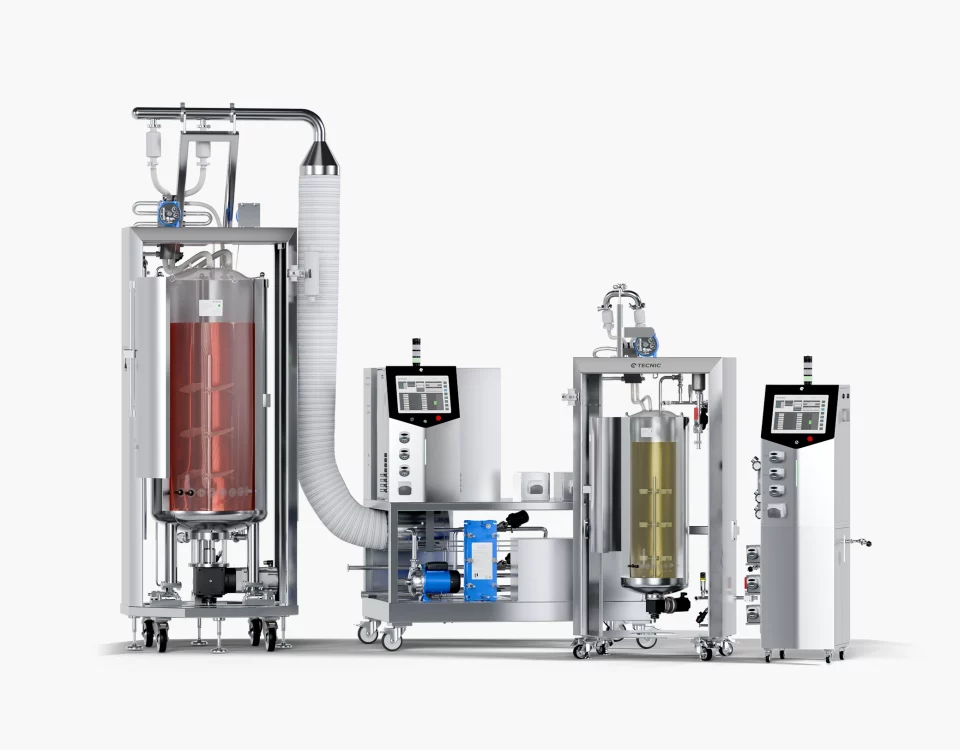
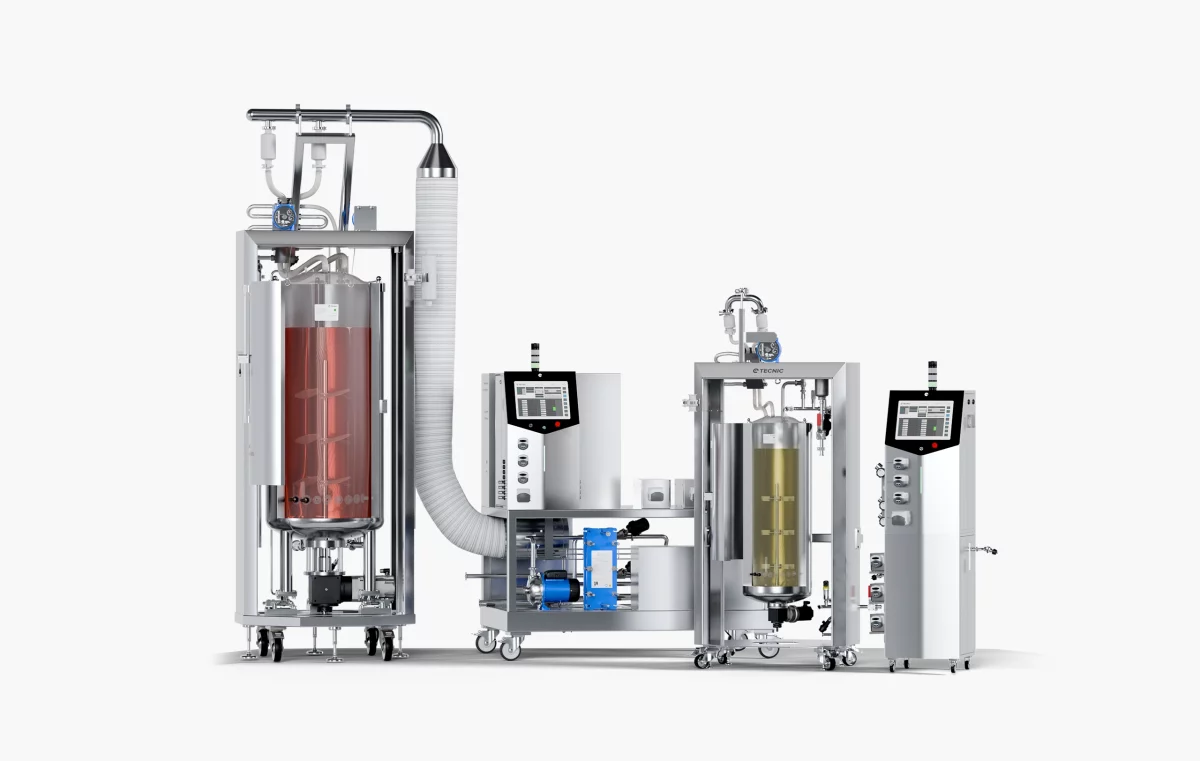
TECNIC fits this topic directly because perfusion and fed-batch strategies are closely linked to controlled bioreactor operation and, in perfusion workflows, to retention and downstream-support technologies such as TFF. The decision between both modes usually depends on how upstream control and downstream handling are integrated from the beginning.
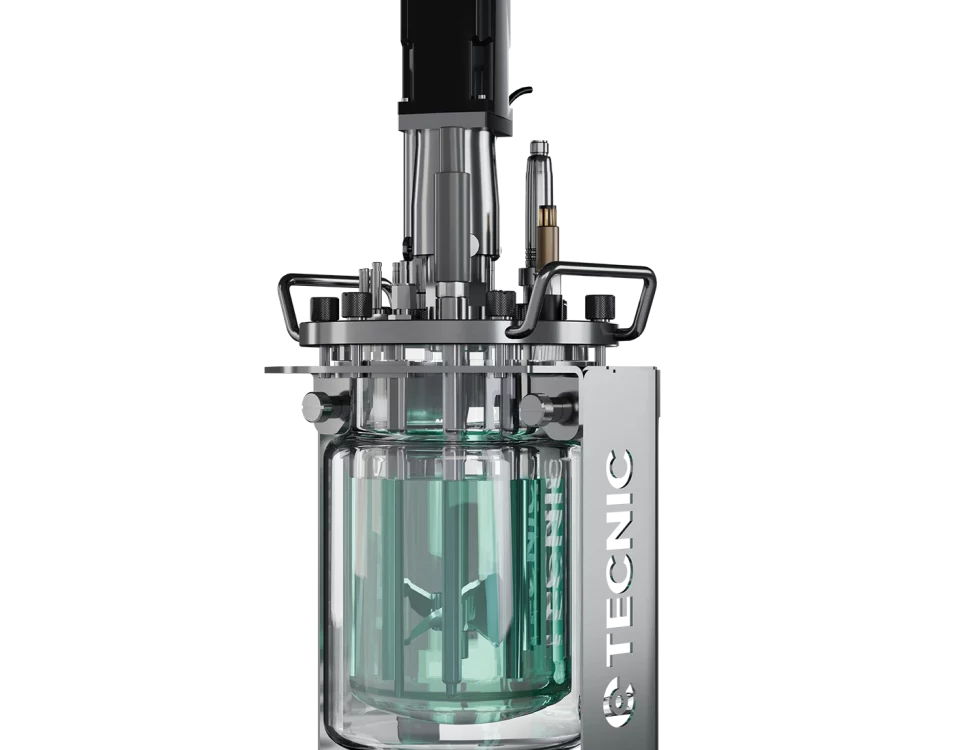
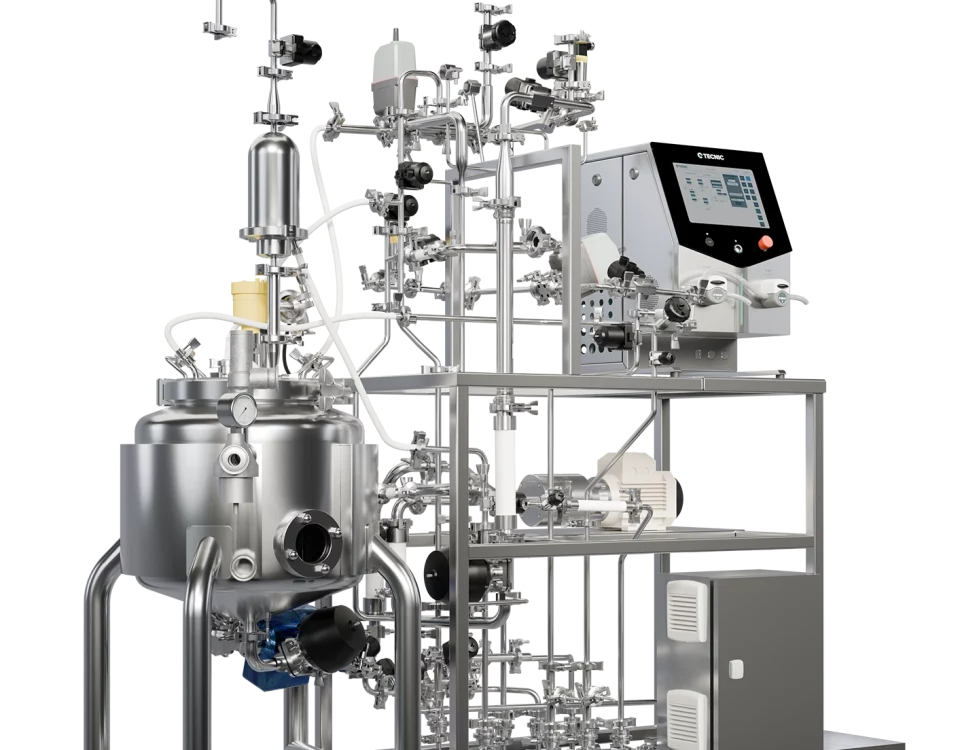
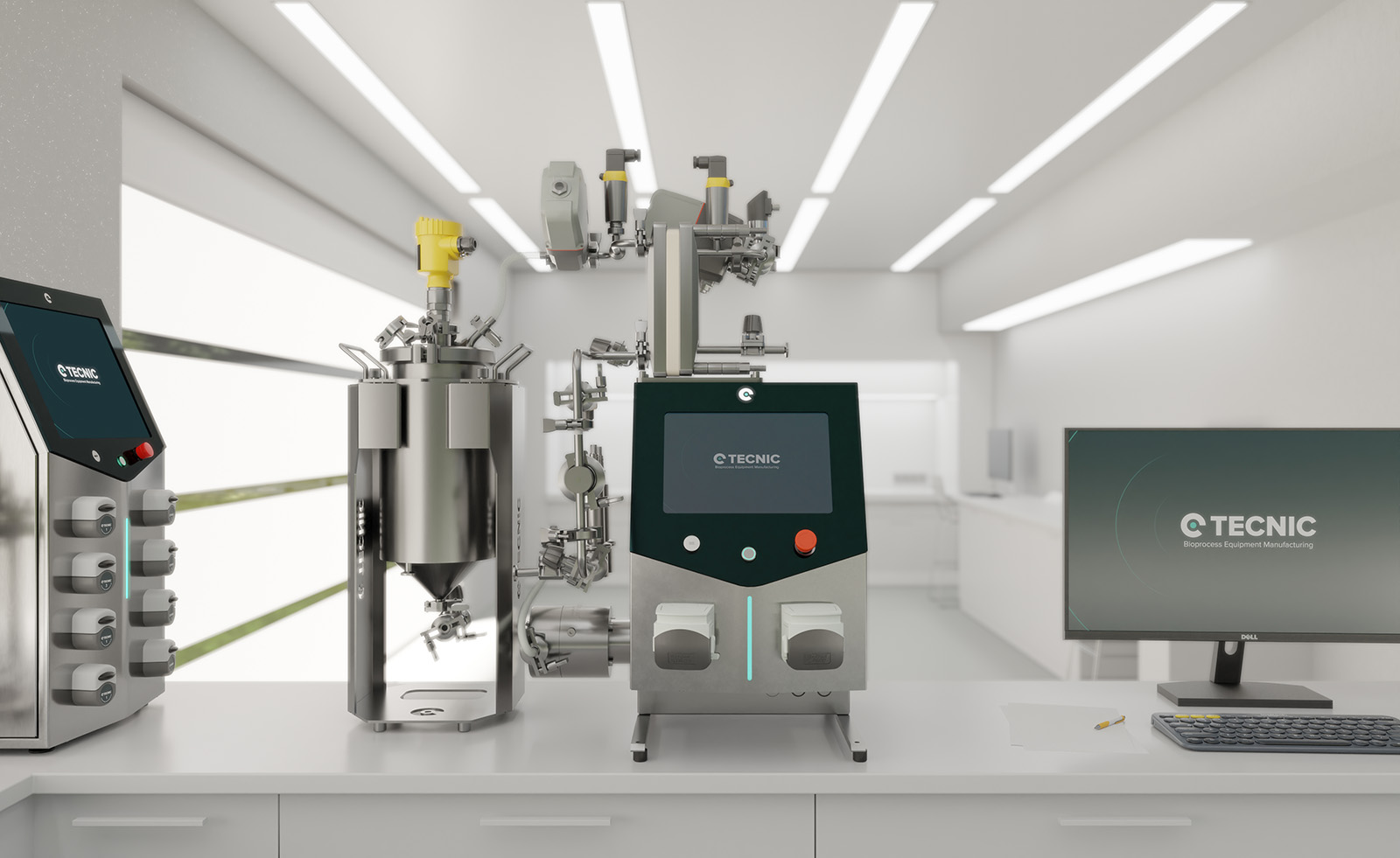
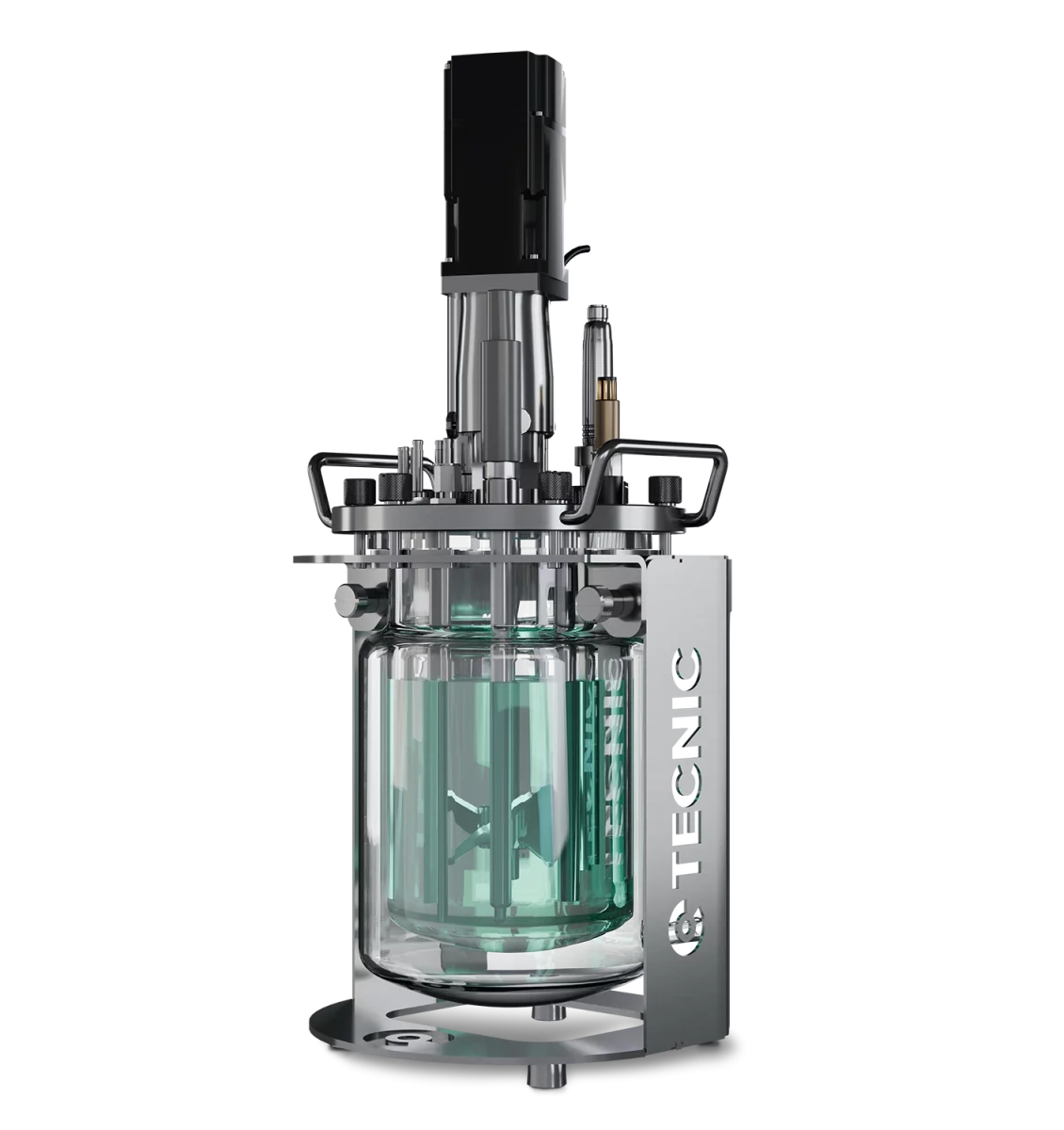
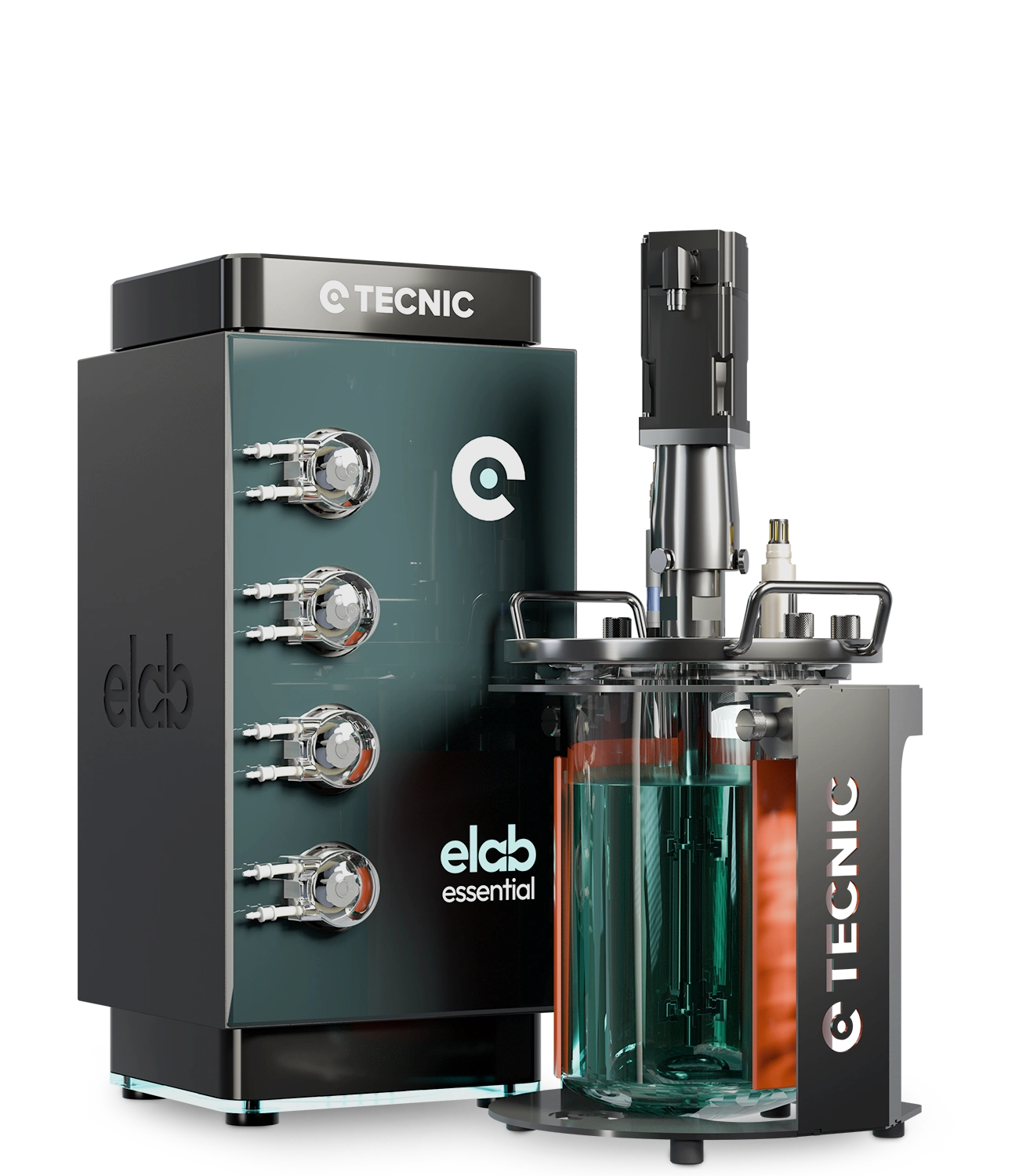
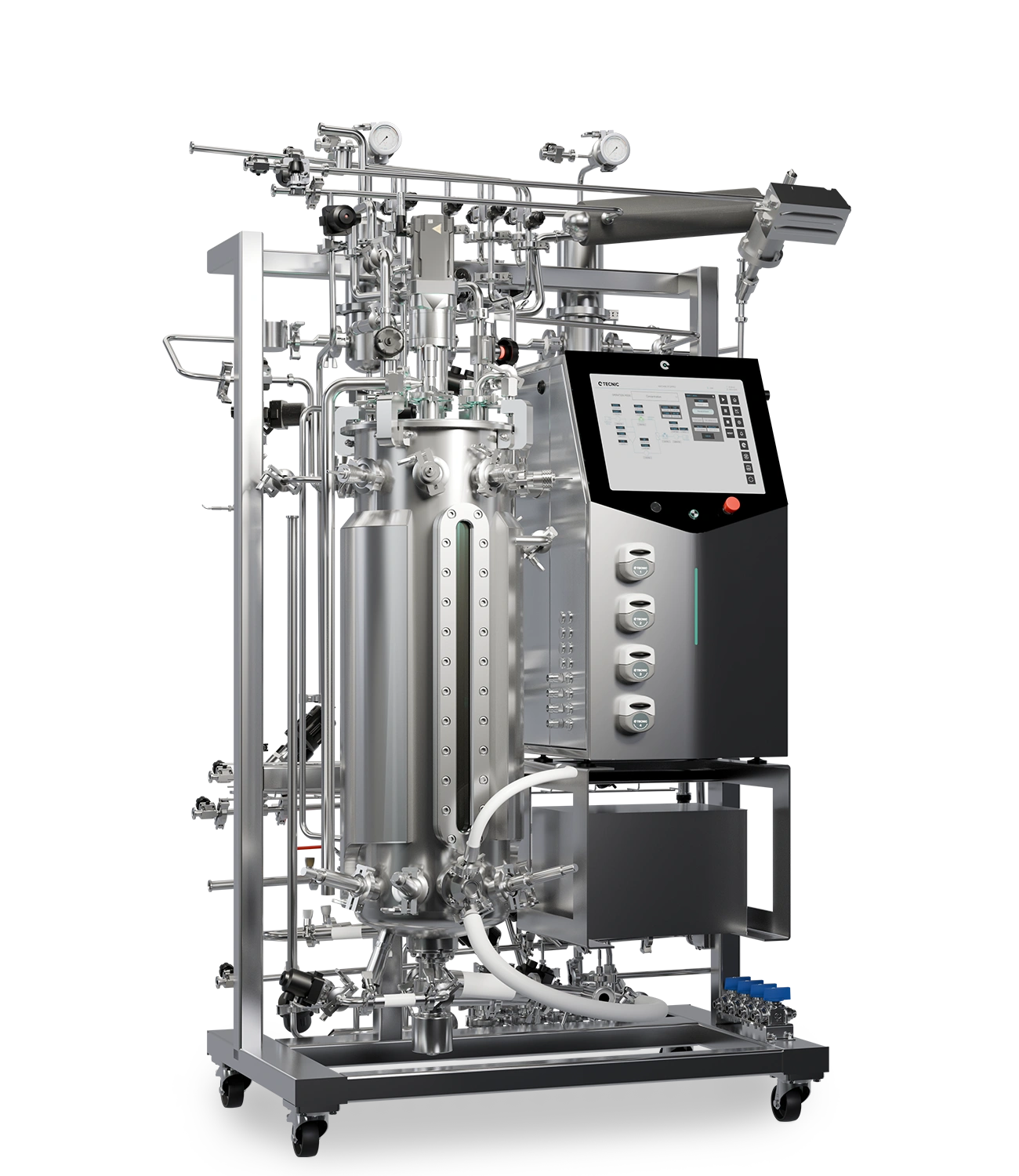
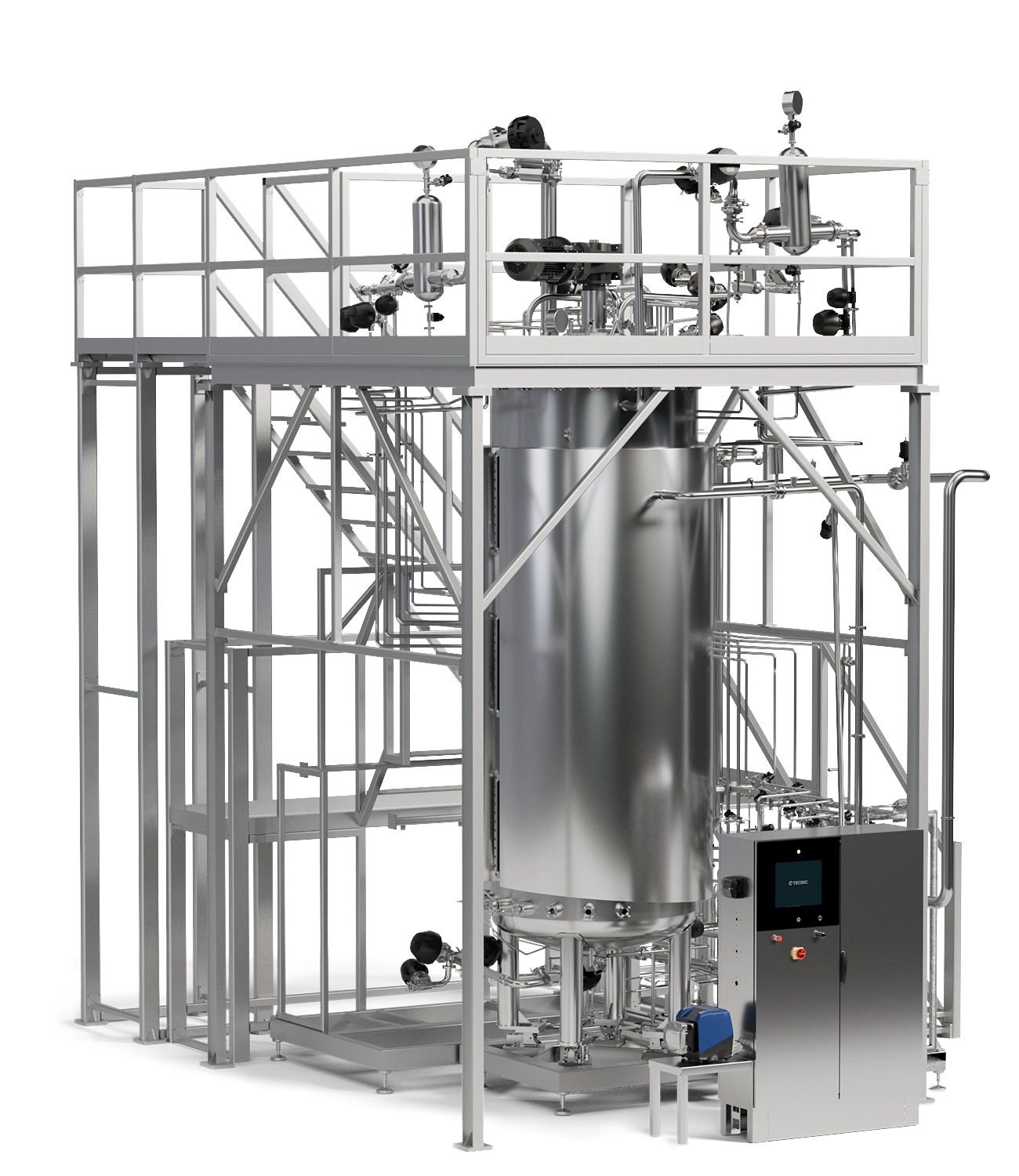
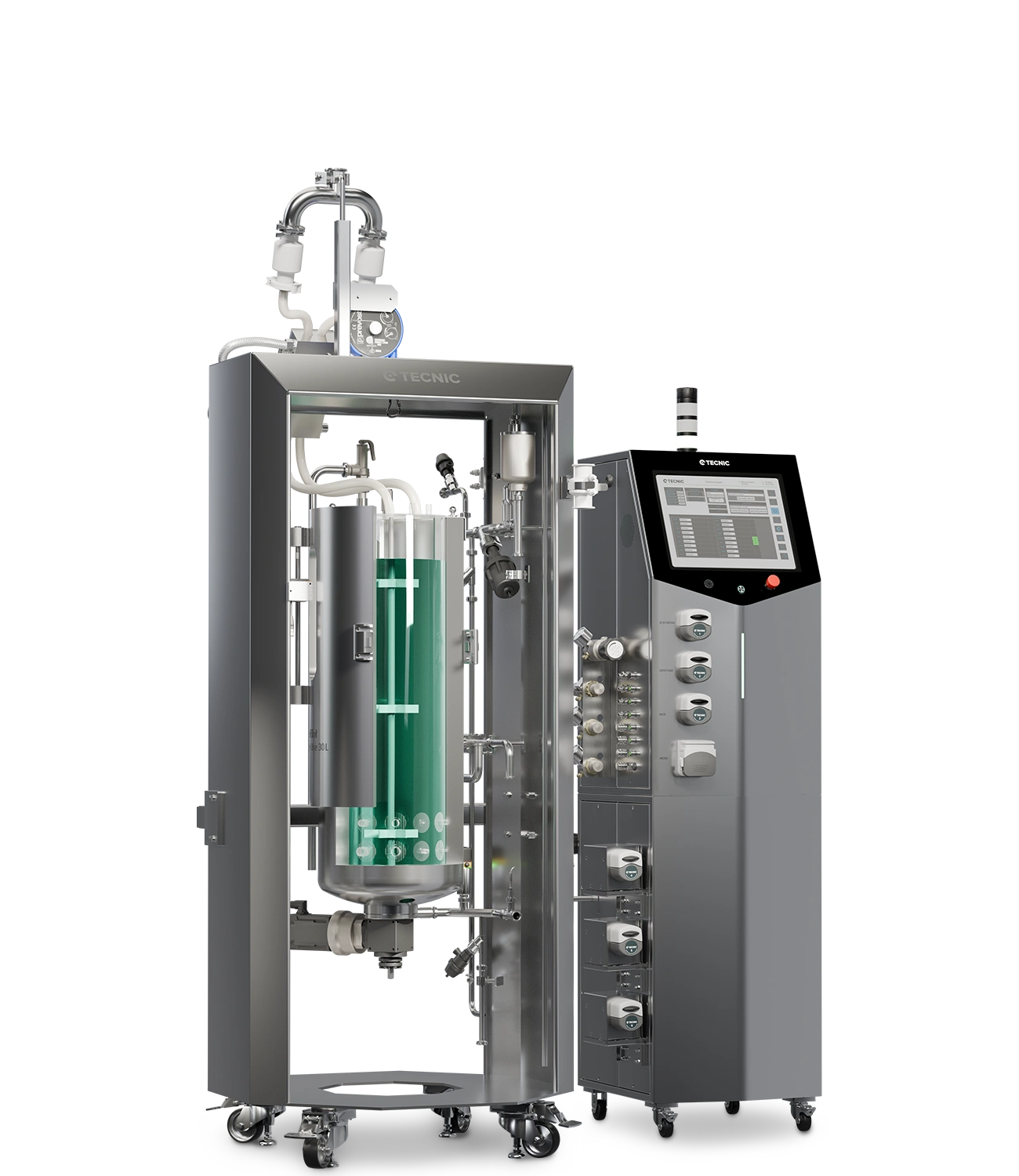
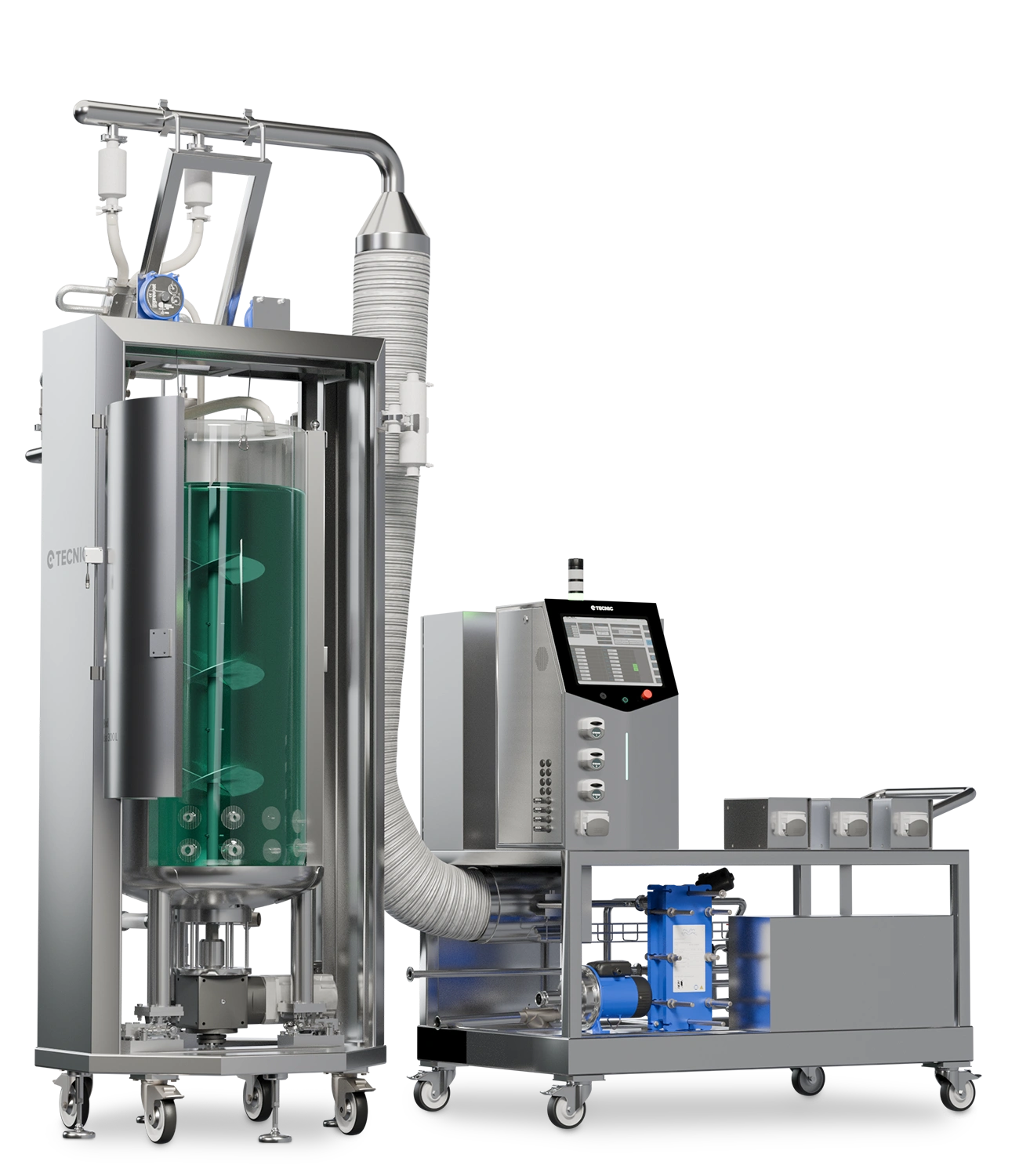
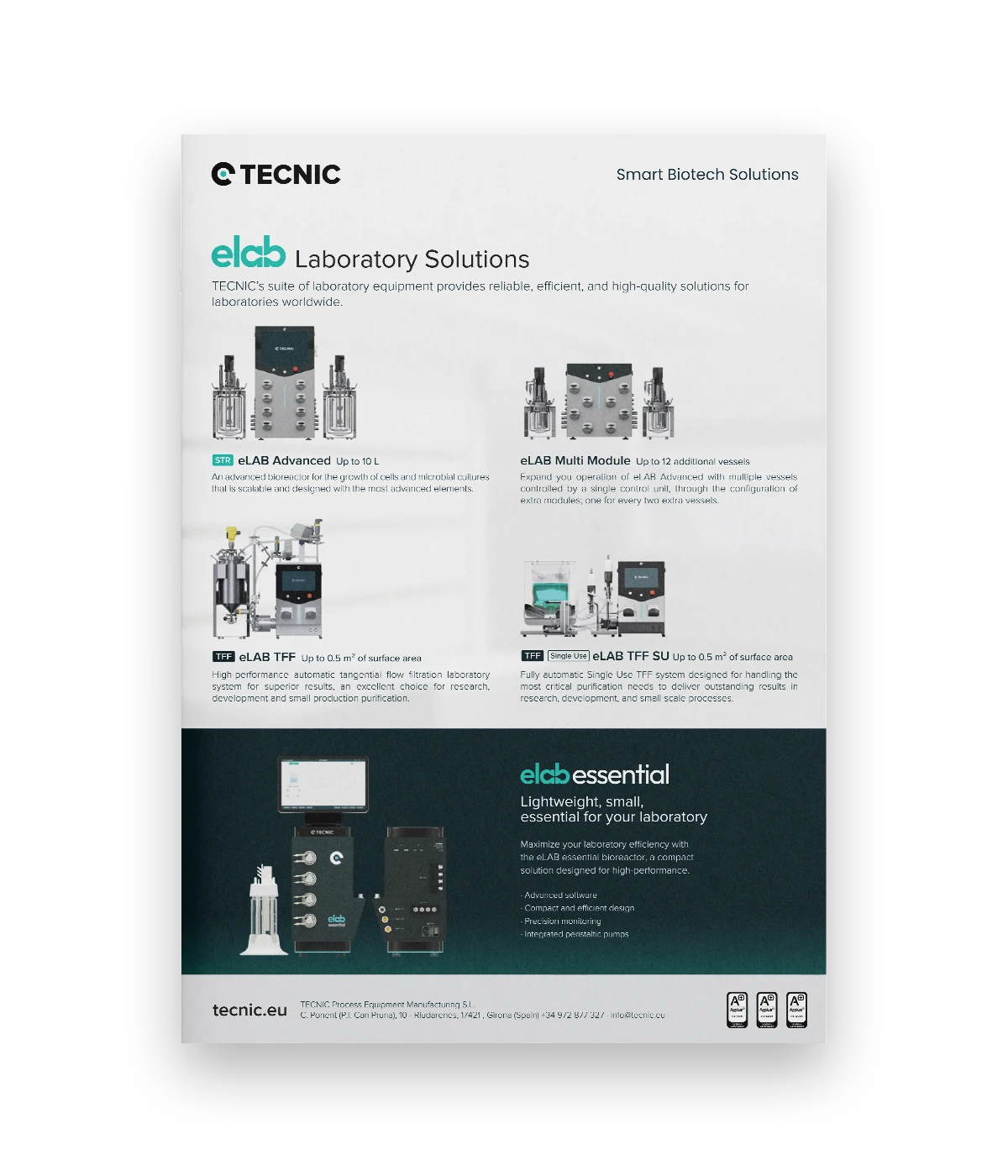
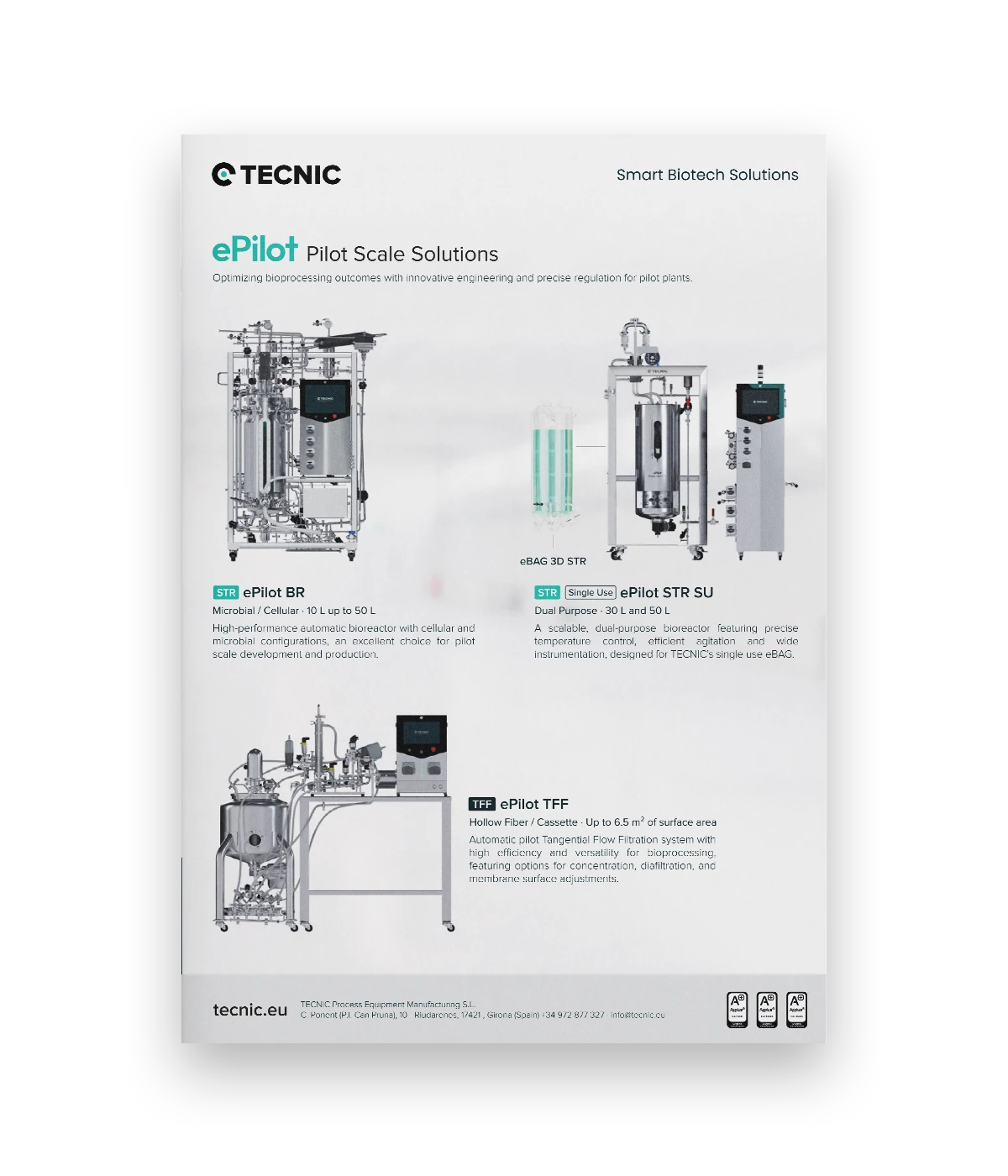
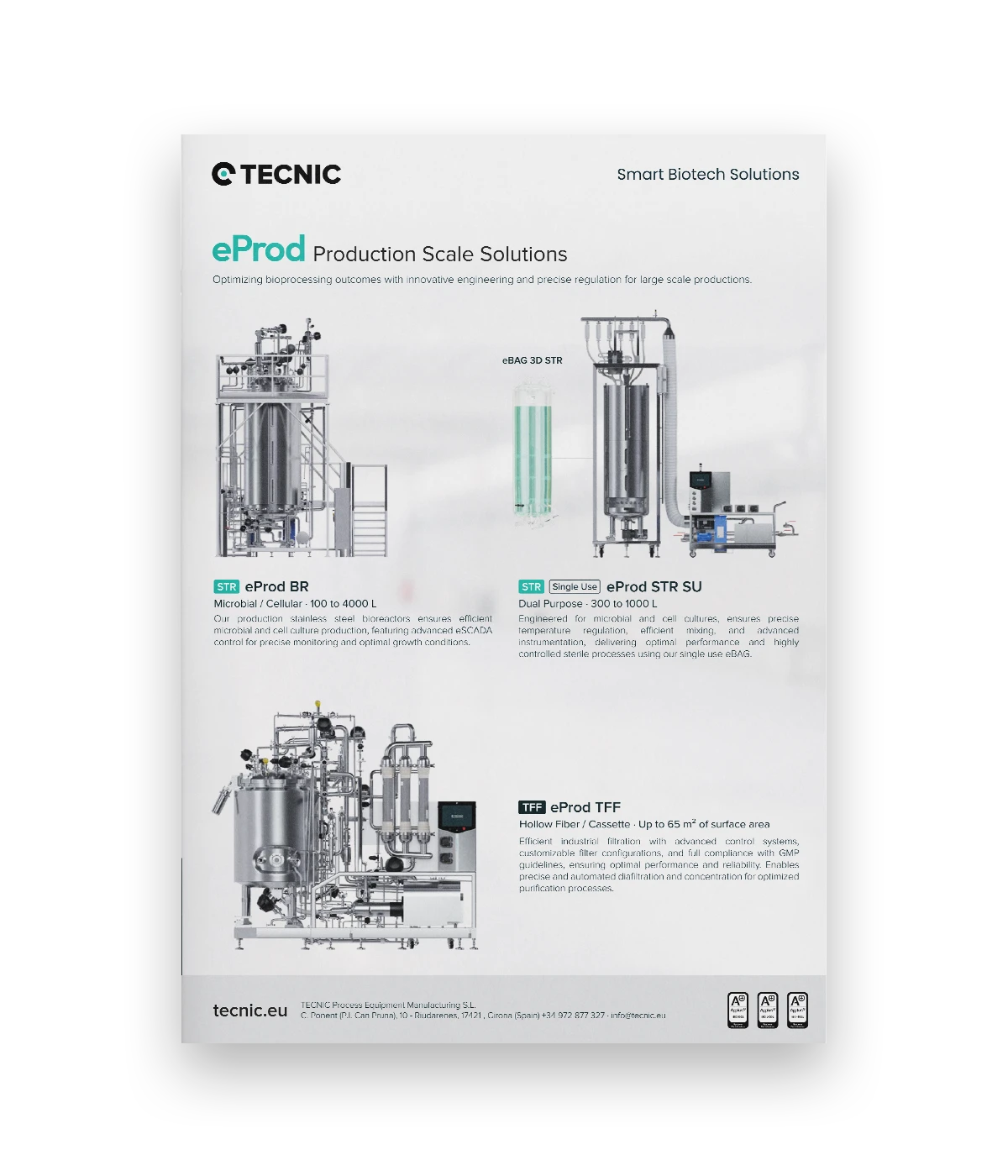
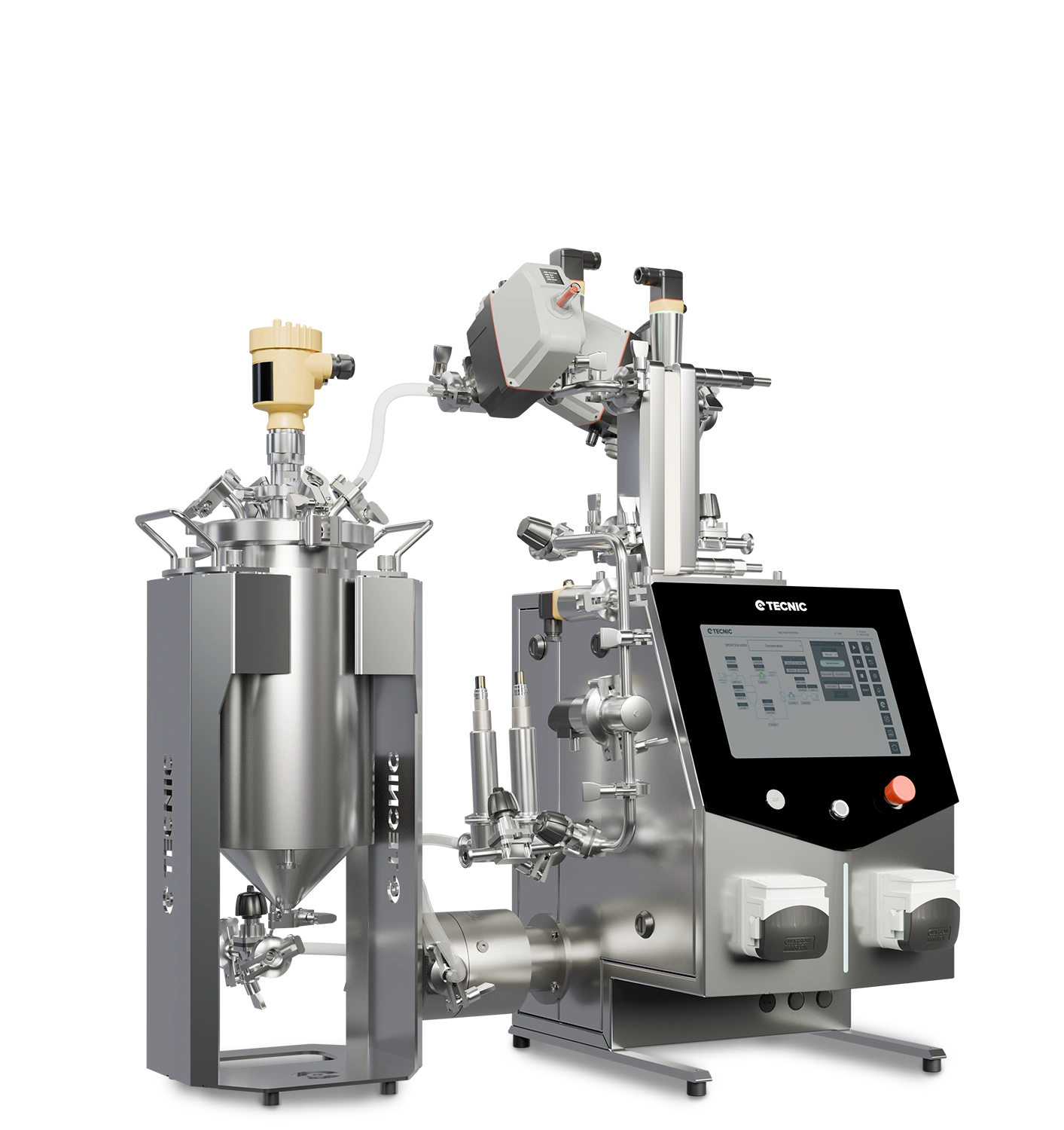
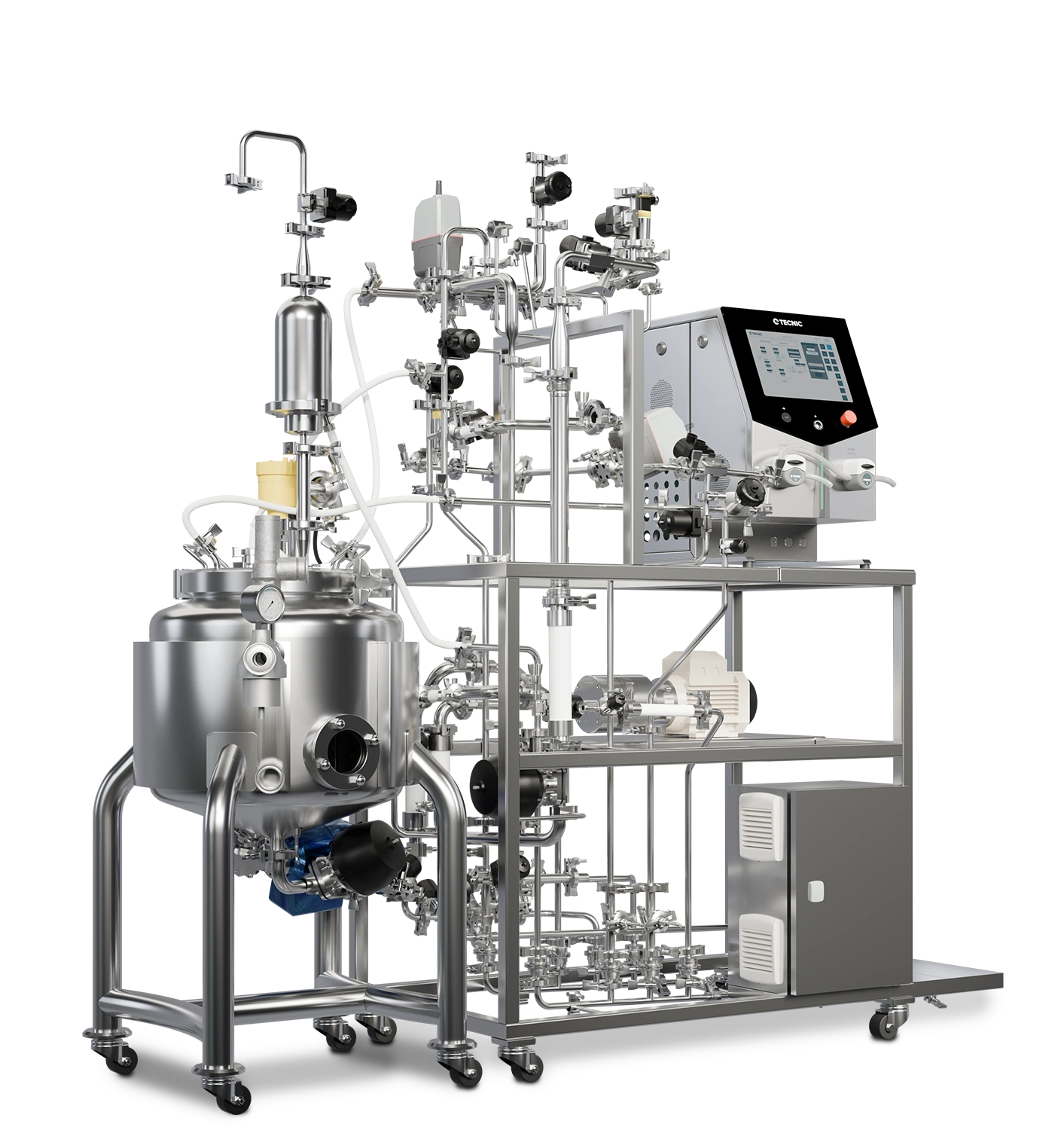
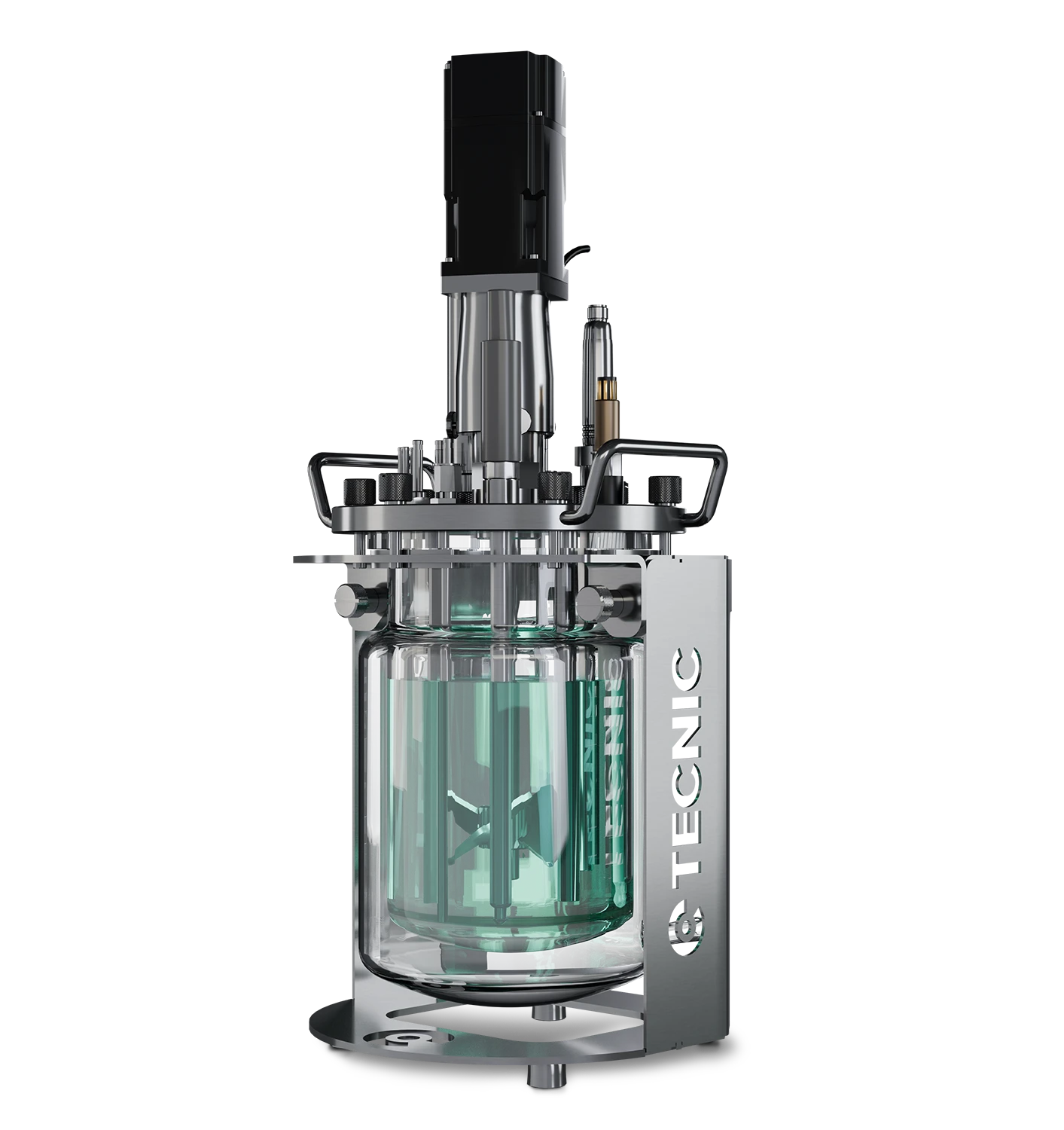
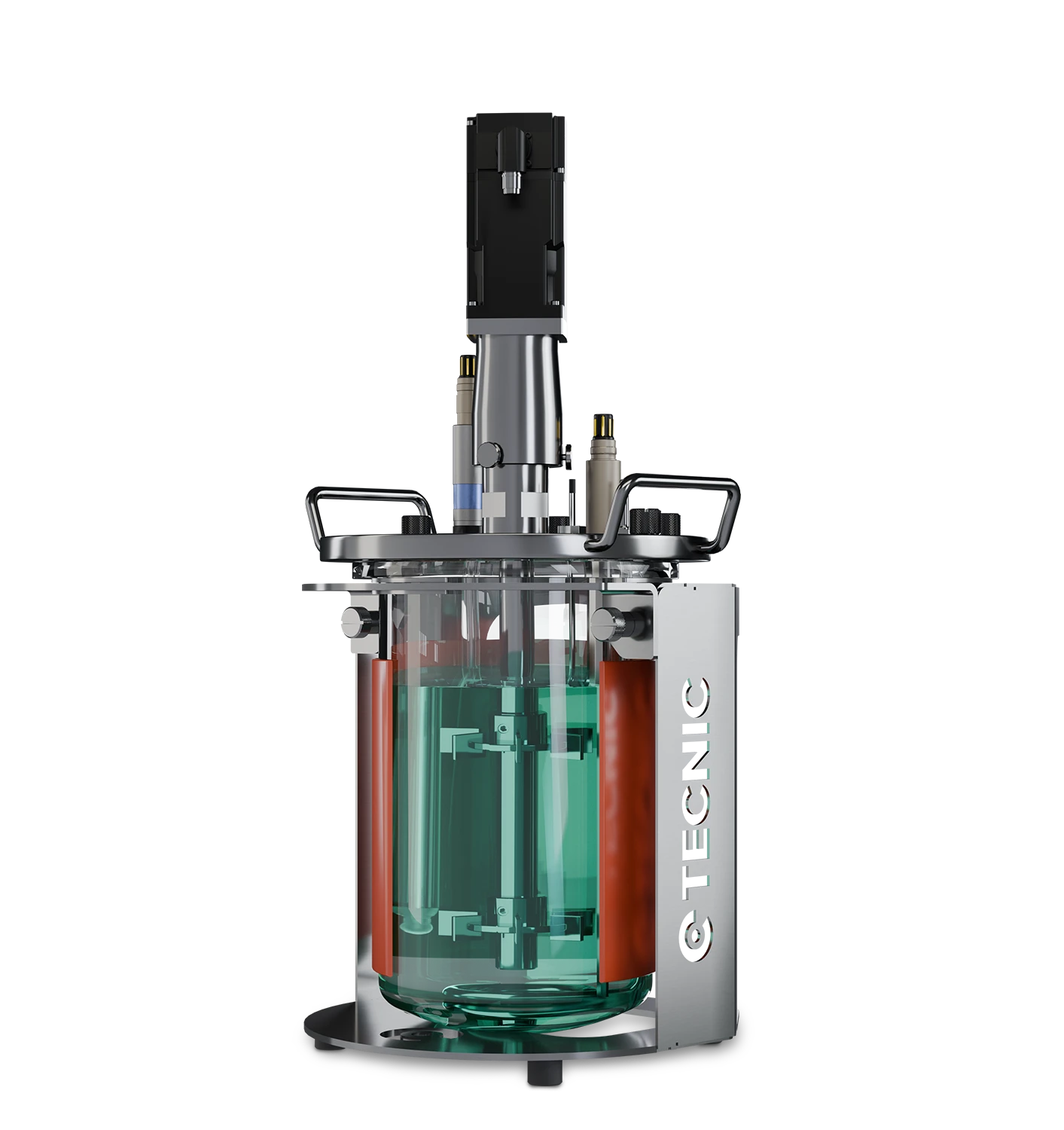
Bioreactors
Relevant when the culture mode, perfusion or fed-batch, needs to be matched to the real process requirements.
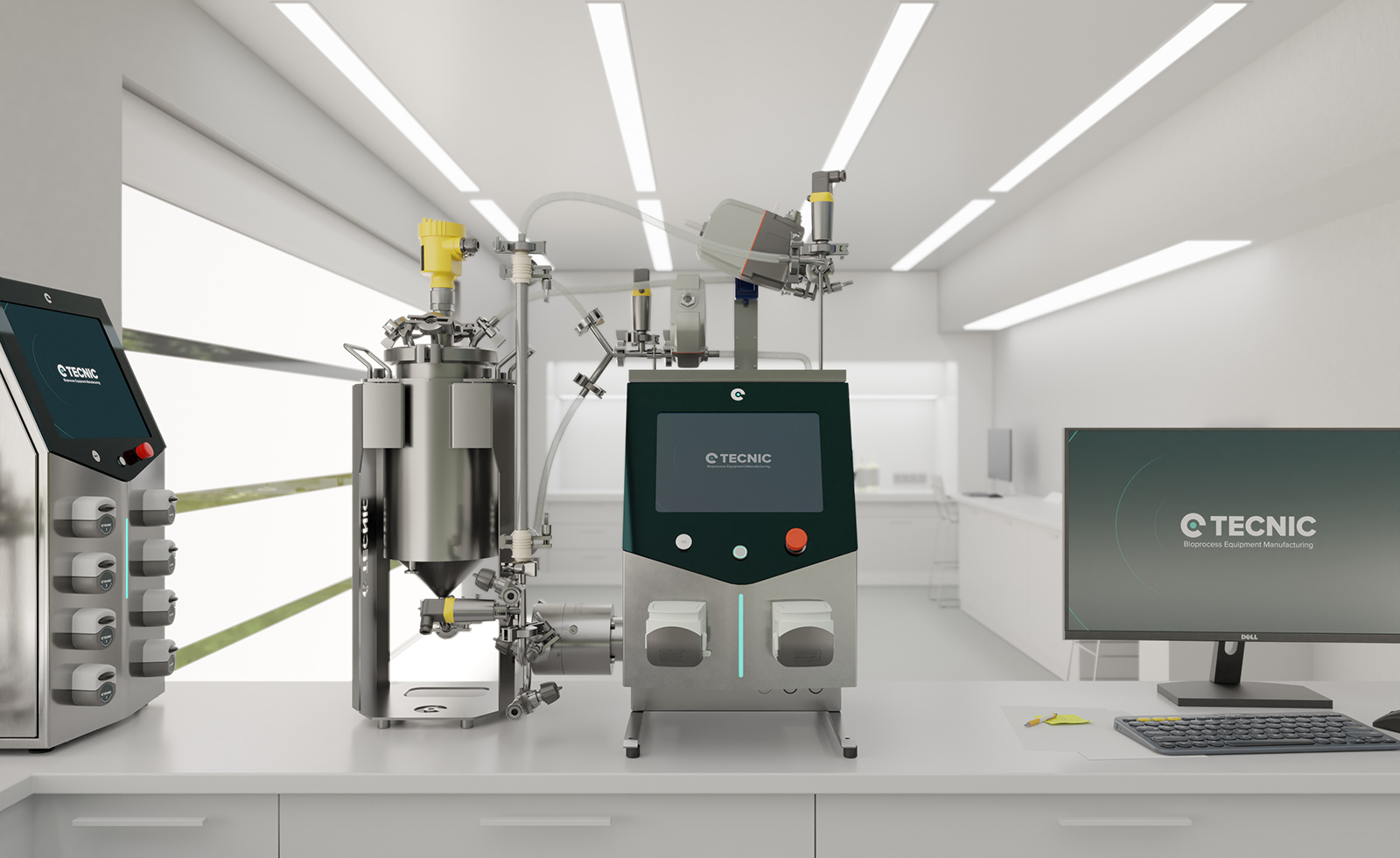
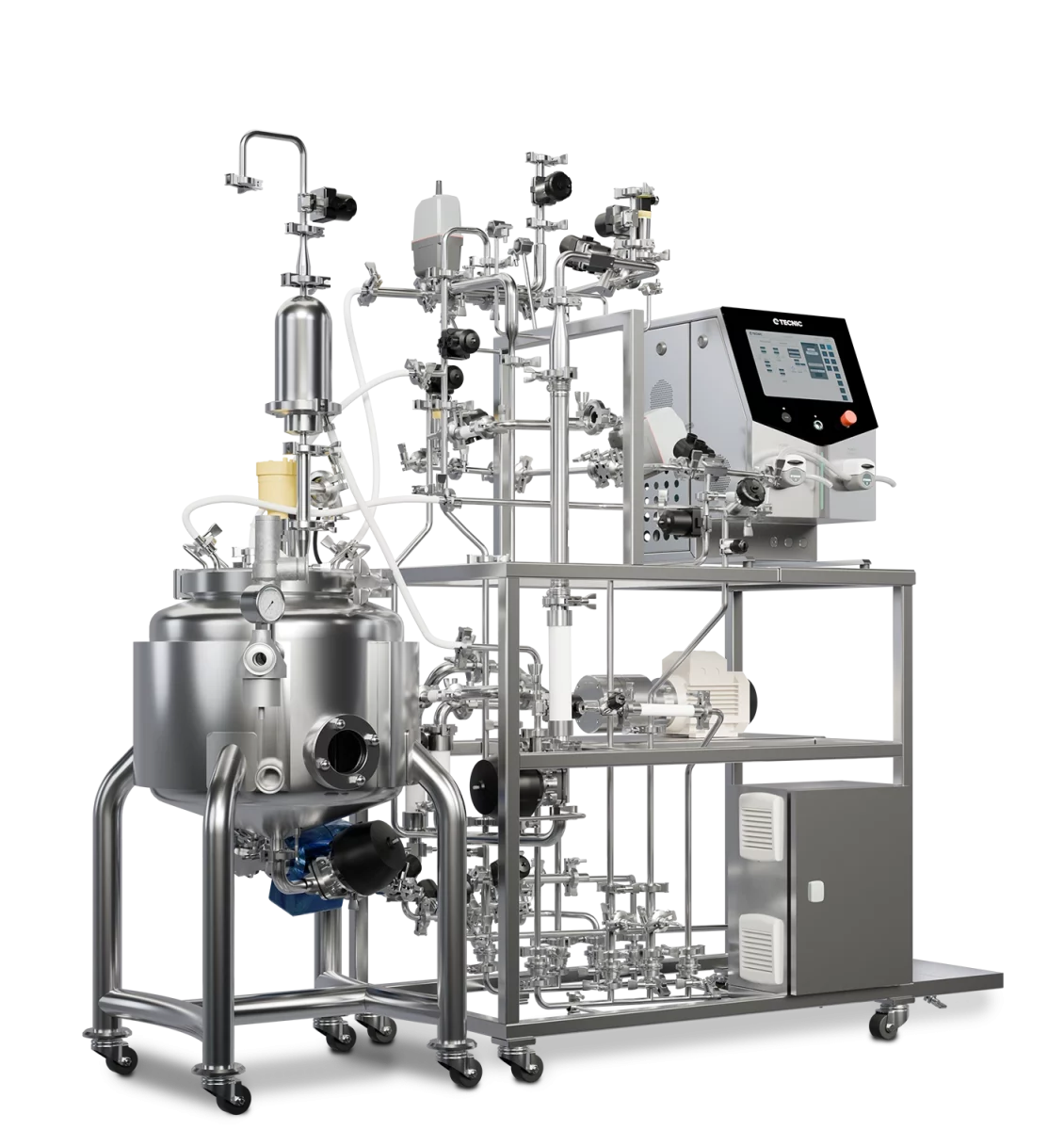
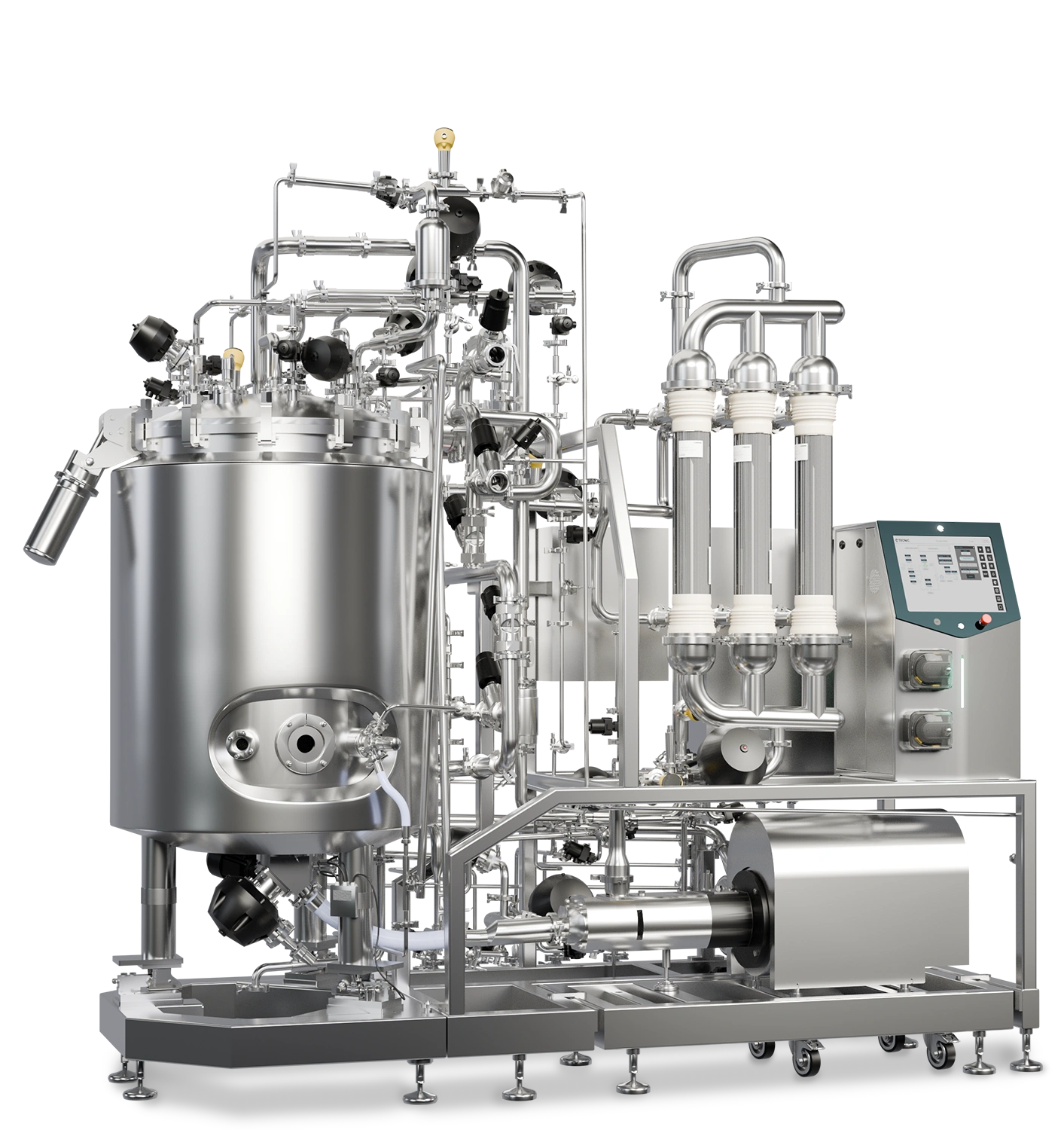
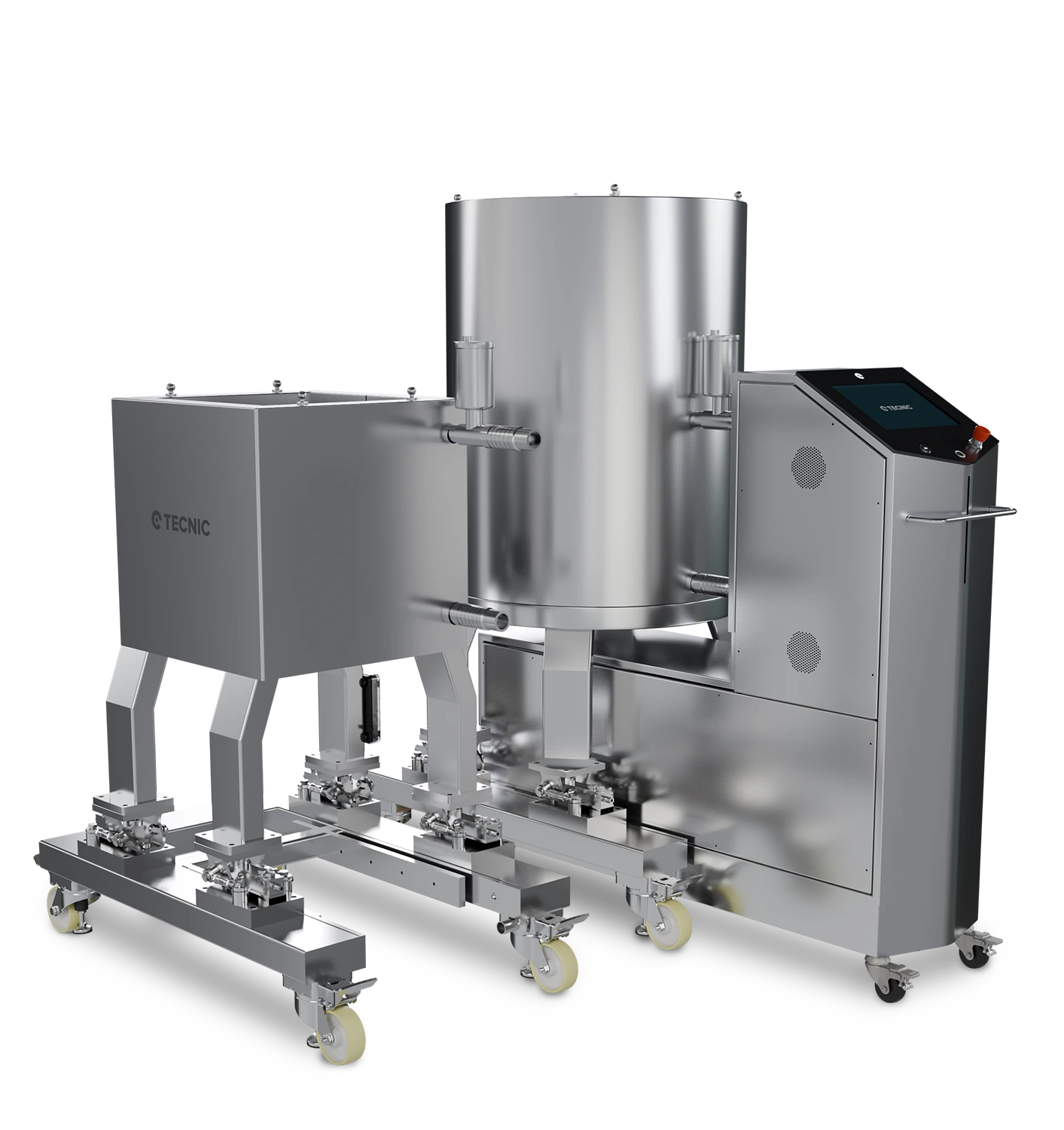
TFF systems
Relevant when perfusion workflows require strong support for concentration, separation or cell-retention-related process strategies.
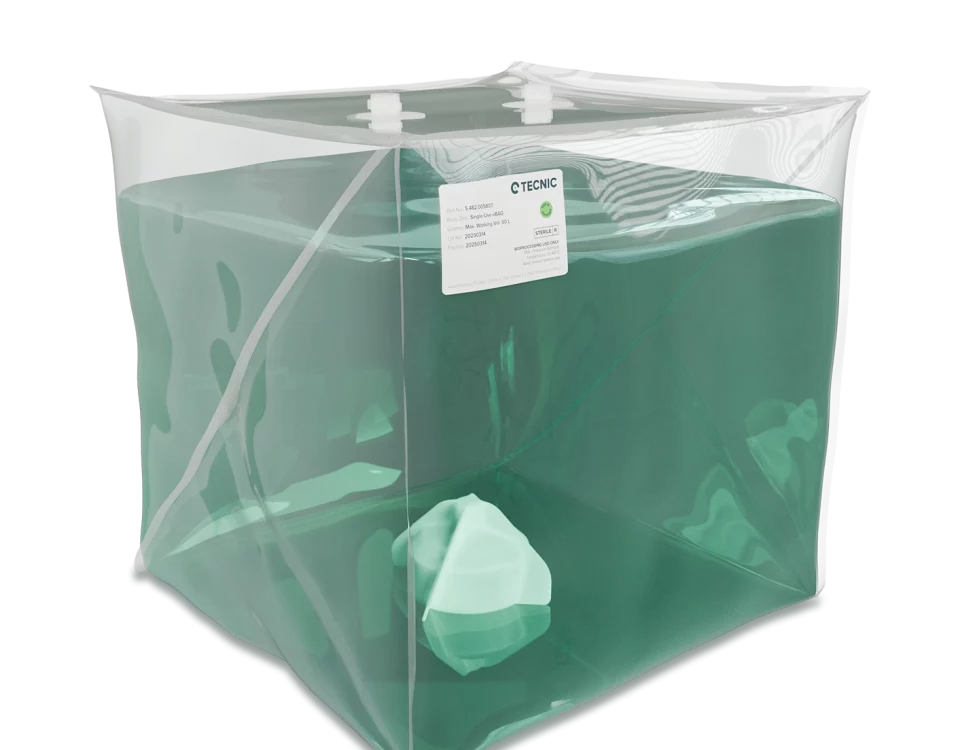
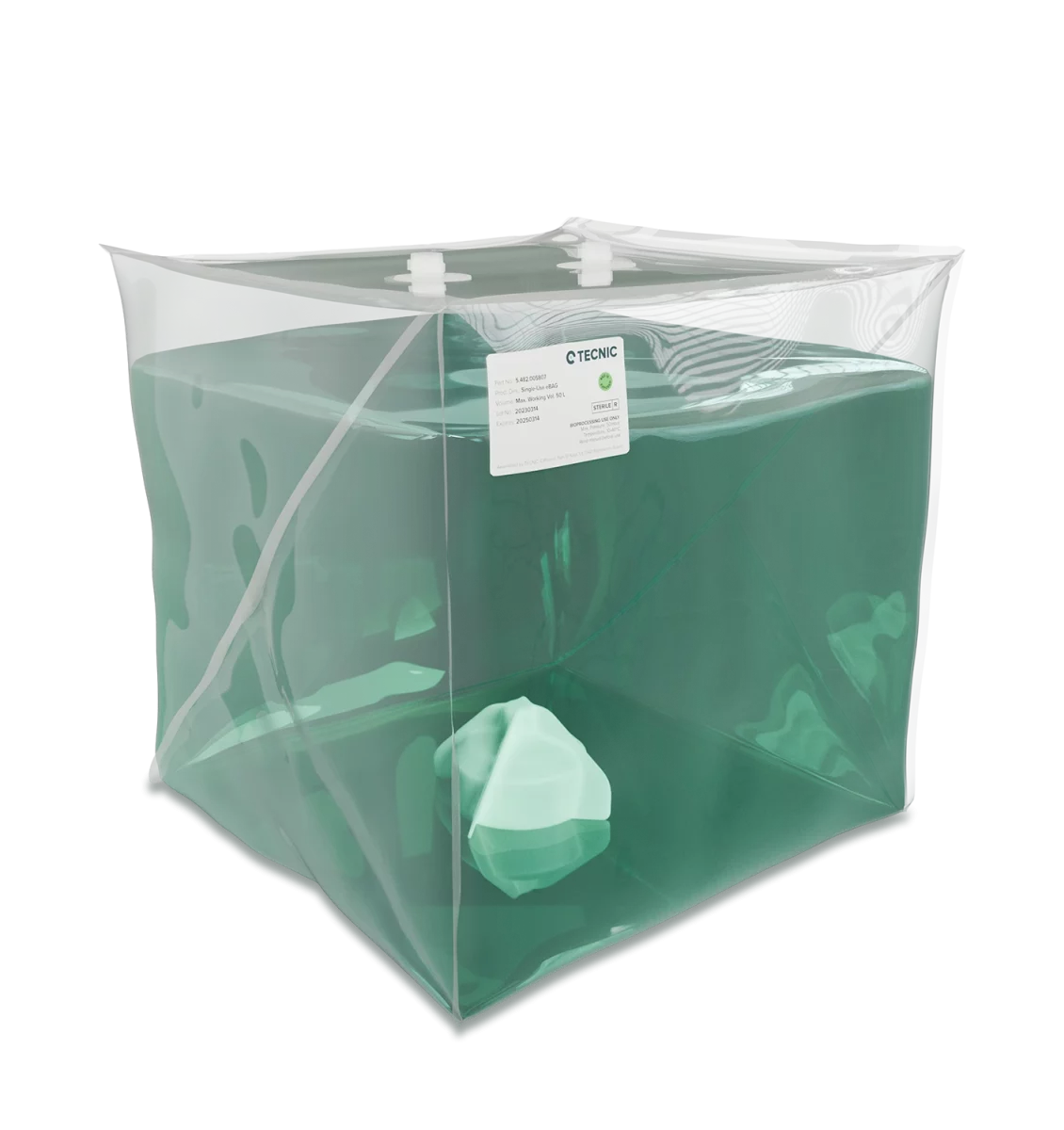
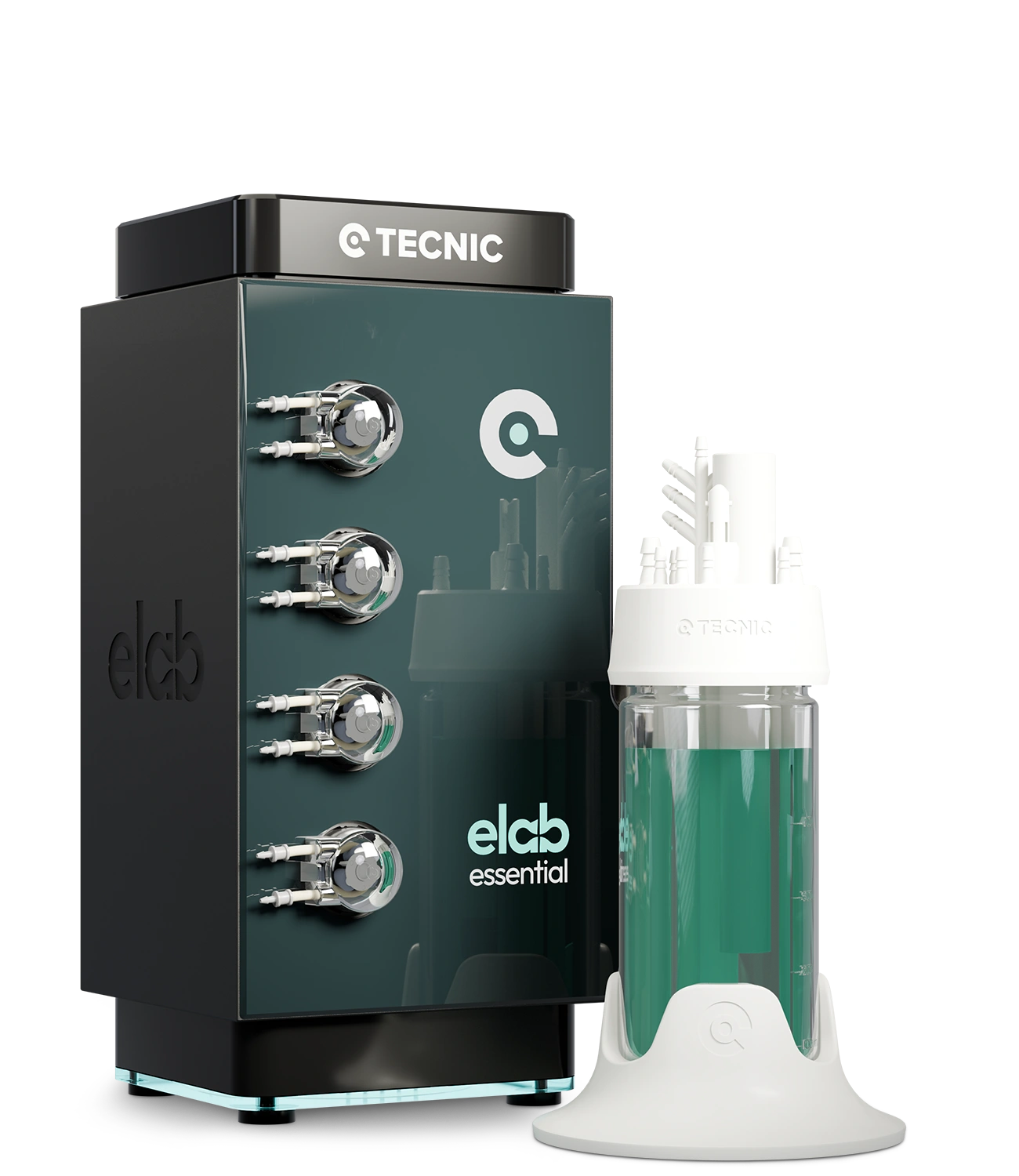
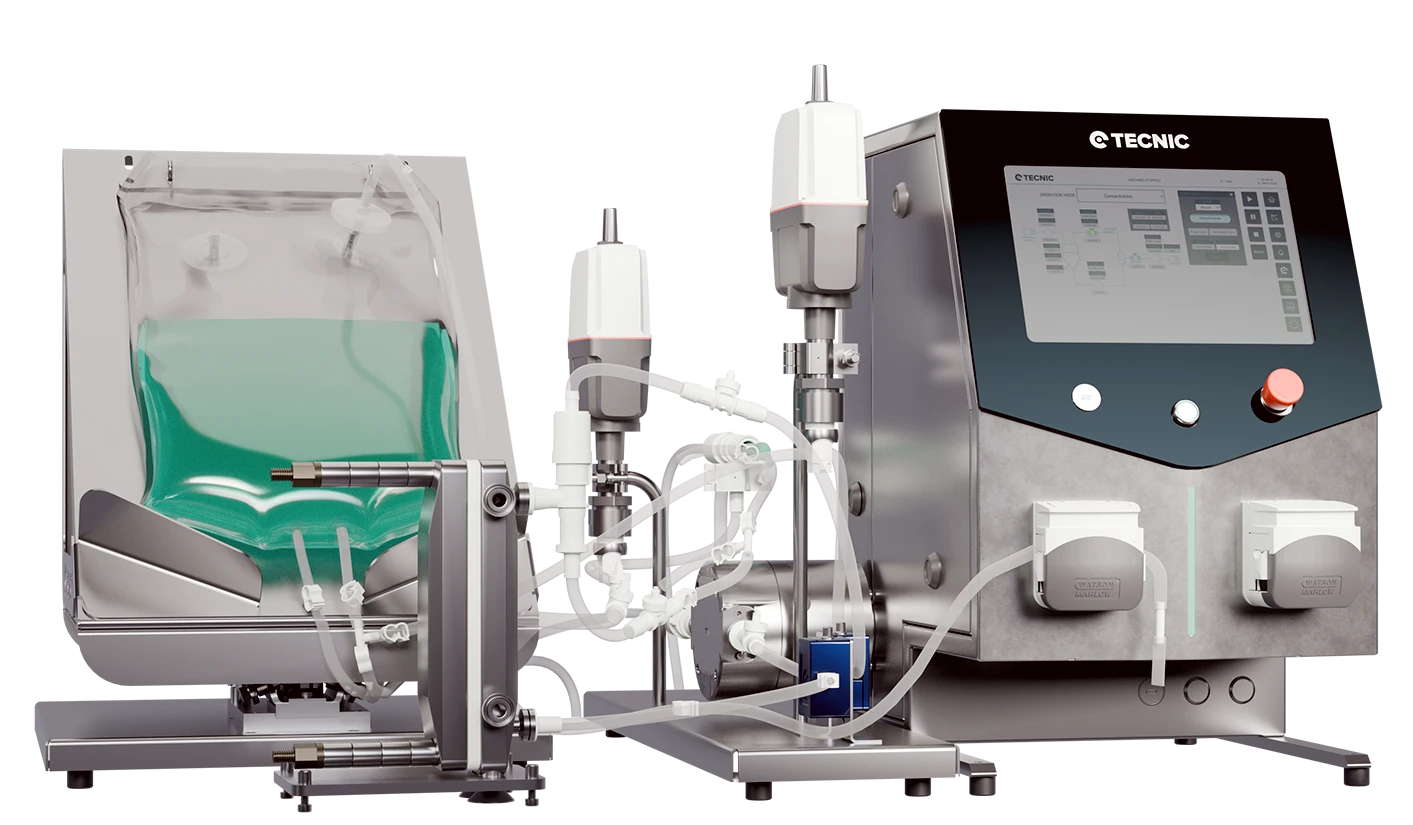
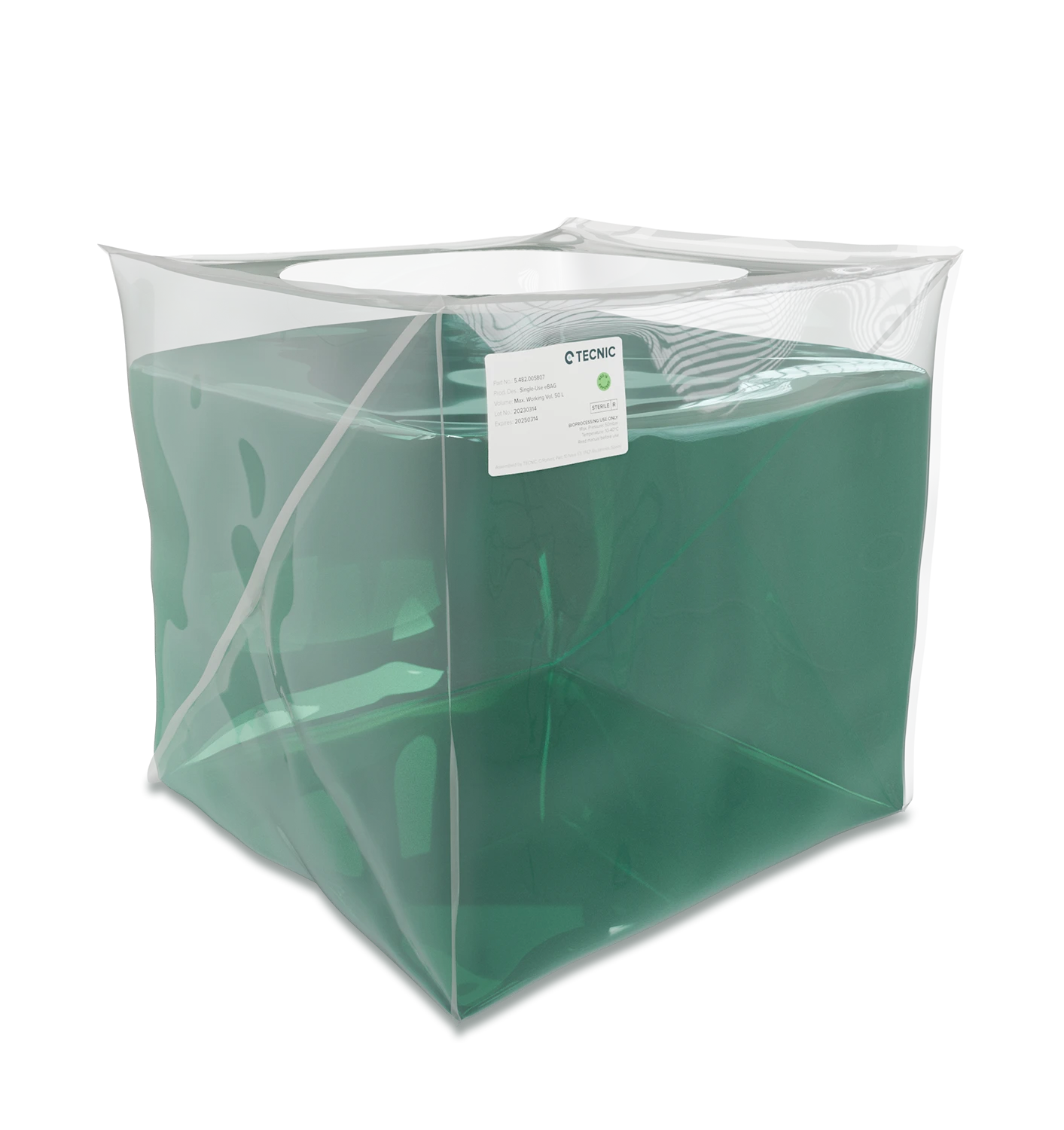
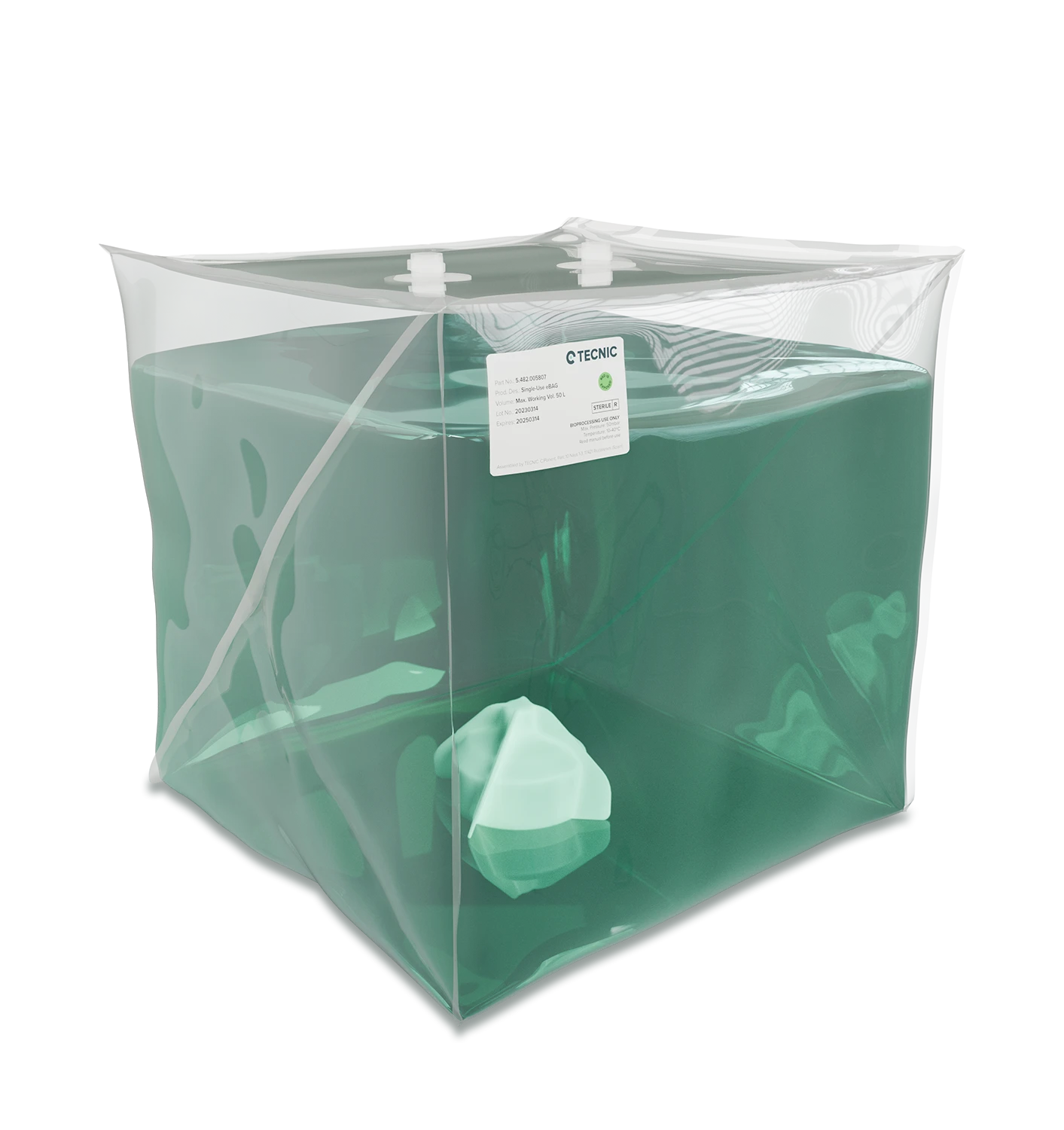
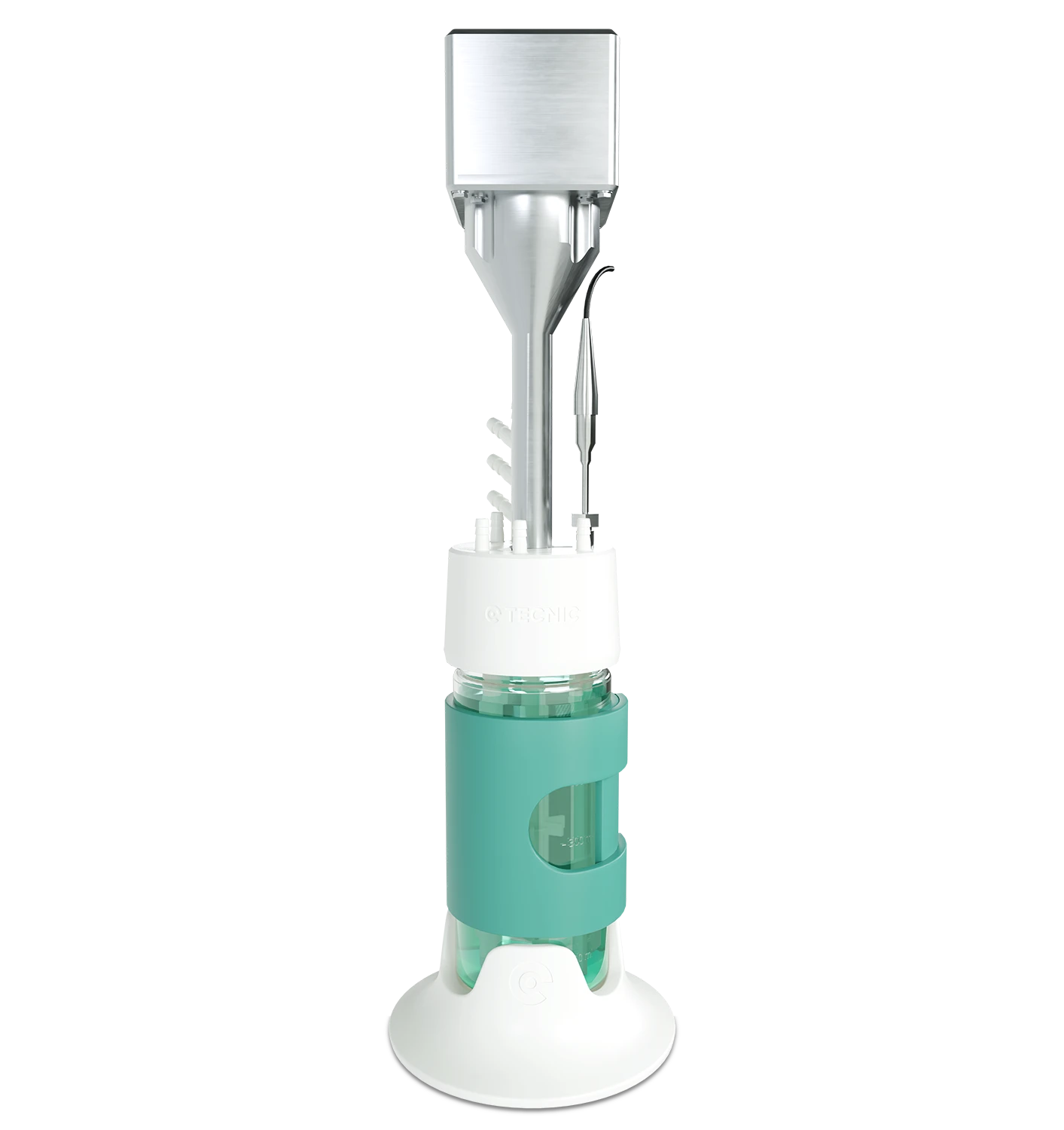
Single-use bioreactors
Useful where flexibility and controlled cell-culture operation are important in modern upstream workflows.
Contact TECNIC
When perfusion and fed-batch need to be evaluated as real manufacturing options, direct technical discussion is more useful than a generic process comparison.
This article works best when perfusion and fed-batch are framed as two valid operating strategies with different technical and economic logic.
Frequently asked questions
What is a perfusion bioreactor?
It is a culture system where fresh medium is continuously added and spent medium is continuously removed while cells are retained in the bioreactor.
What is a fed-batch bioreactor?
It is a culture system where nutrients are added during the run without continuous removal of the culture medium.
What is the main difference between perfusion and fed-batch?
Perfusion continuously renews the medium and keeps volume more constant, while fed-batch adds nutrients without continuous medium exchange.
Which is more expensive to operate, perfusion or fed-batch?
Perfusion is generally more expensive to operate because it requires more complex process control and continuous medium exchange.
Which mode is better for product quality consistency?
Perfusion often provides a more stable environment over time, which can support stronger product-quality consistency in suitable processes.
Reviewing whether perfusion or fed-batch fits your process better?
Explore TECNIC’s bioprocess solutions or speak with our team to review the right operating mode for your culture, productivity targets and manufacturing strategy.