









Genetic engineering is one of the most important areas in modern biotechnology because it allows scientists to modify DNA with a clear purpose, whether that is producing useful substances, correcting genetic defects or improving biological performance in a controlled way.
Its importance goes far beyond the laboratory. Genetic engineering is already part of medicine, agriculture, industrial biotechnology and research, and it is becoming increasingly relevant as biotechnology moves toward more precise and personalized applications.
Genetic engineering matters because it gives biotechnology a way to act directly on the instructions of life, not only observe them.
What is genetic engineering?
Genetic engineering is the set of techniques used to modify the DNA of a living organism in a precise and intentional way. Scientists can remove, replace or insert genetic material to change how cells behave or what they produce.
In simple terms, it is a way of rewriting part of the biological instructions that control living systems. That is why it has become such a central field in biotechnology.

Genetic engineering is important because it moves biotechnology from observation toward direct intervention.
What is genetic engineering used for?
Genetic engineering has applications across several fields, and that is one reason it has become so relevant. Its value appears wherever DNA-level modification can improve performance, correct a defect or create a useful biological outcome.
Used in areas such as insulin production, next-generation therapies, gene-based treatments and advanced cell engineering.
Used to improve plant resistance, productivity and adaptation to environmental stress.
Used to make microorganisms produce useful compounds such as enzymes, fuels or specialty materials.
Used to study gene function, disease mechanisms and therapeutic possibilities in more targeted ways.
Main tools used in genetic engineering
Genetic engineering relies on highly specific tools that allow DNA to be edited, transferred or replicated in controlled settings. The exact tool depends on the objective, the cell type and the precision required.
CRISPR and gene editing tools
These tools are especially important because they make targeted DNA modification faster, more flexible and more accessible than earlier approaches.
Vectors, plasmids and delivery systems
These are used to introduce genetic material into cells and support expression or modification workflows in research and therapy.
The power of genetic engineering depends not only on the idea of DNA modification, but on how accurately that change can be delivered and controlled.
Why genetic engineering is so important today
Genetic engineering is so important because it directly supports some of the biggest goals in biotechnology and medicine: treating inherited diseases, making biological production more efficient, improving sustainability and enabling more personalized therapies.
It also matters because it accelerates research. Once scientists can modify genes precisely, they can test biological hypotheses more directly and develop targeted solutions much faster than with older approaches alone.

Main concerns and limitations
The value of genetic engineering is real, but so are the concerns. Ethical questions, environmental impact, unequal access and safety all remain important parts of the discussion.
Genetic engineering is powerful, but power in biotechnology only creates value when it is matched with control, responsibility and scalability.
How TECNIC fits this workflow
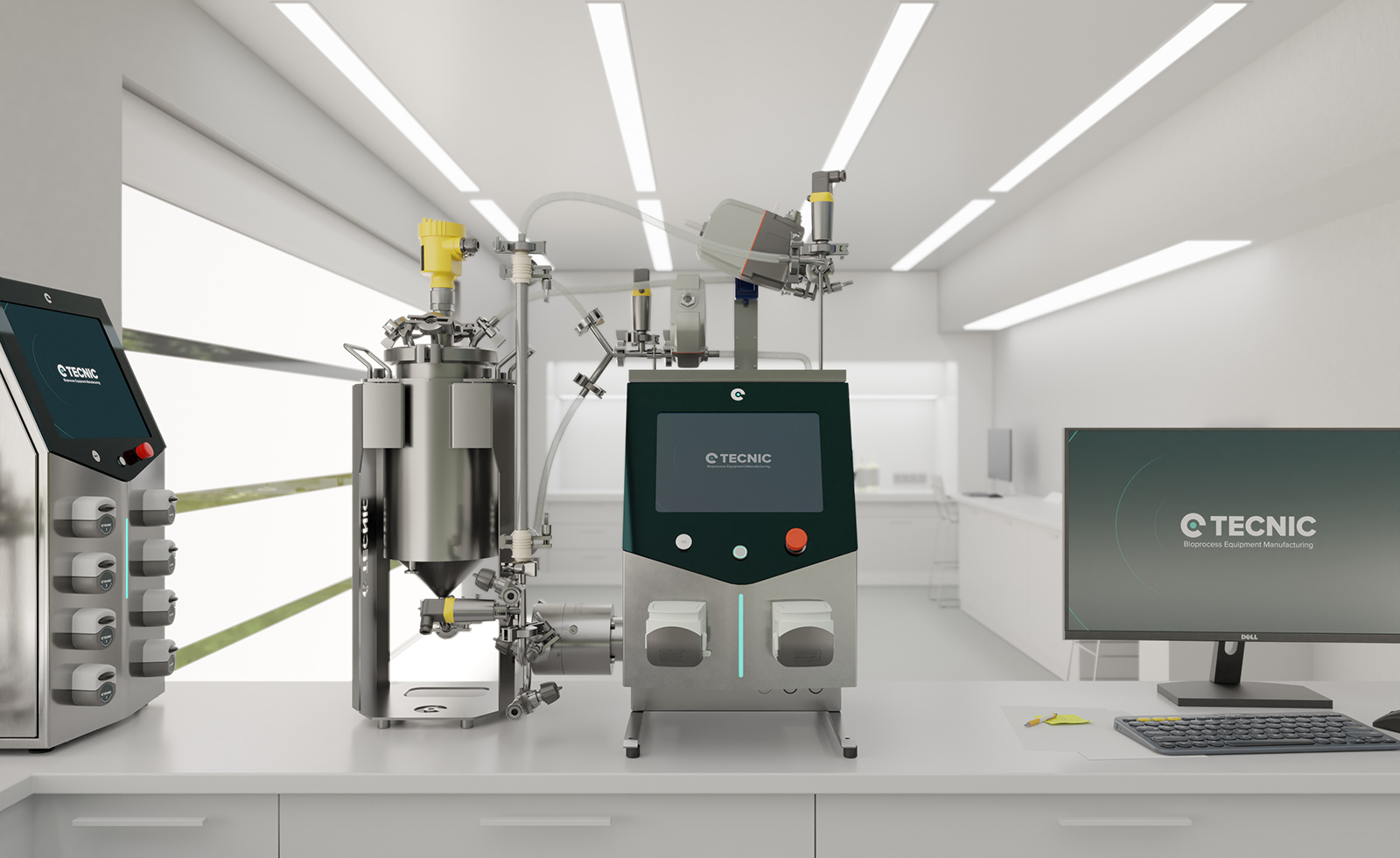
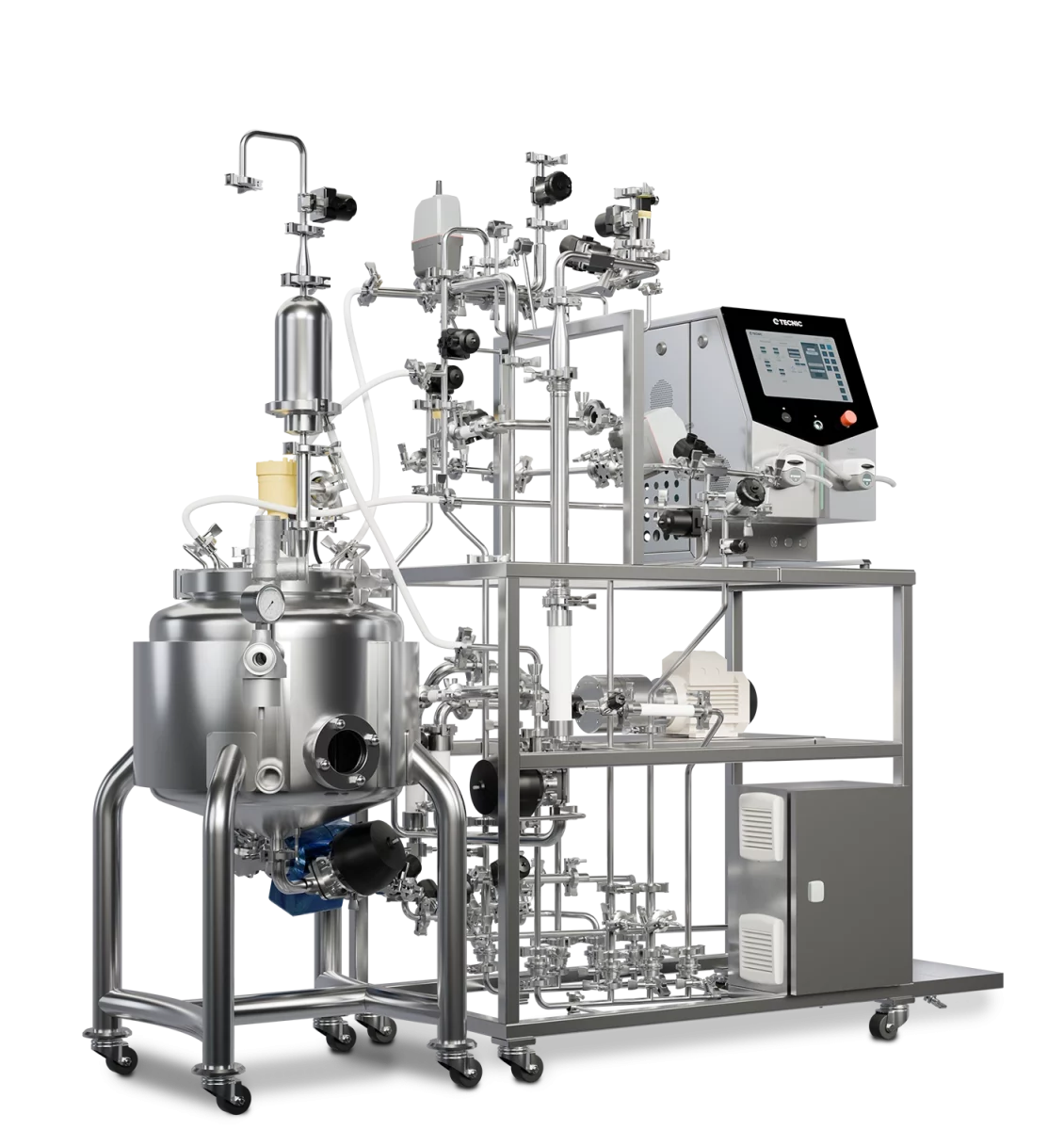
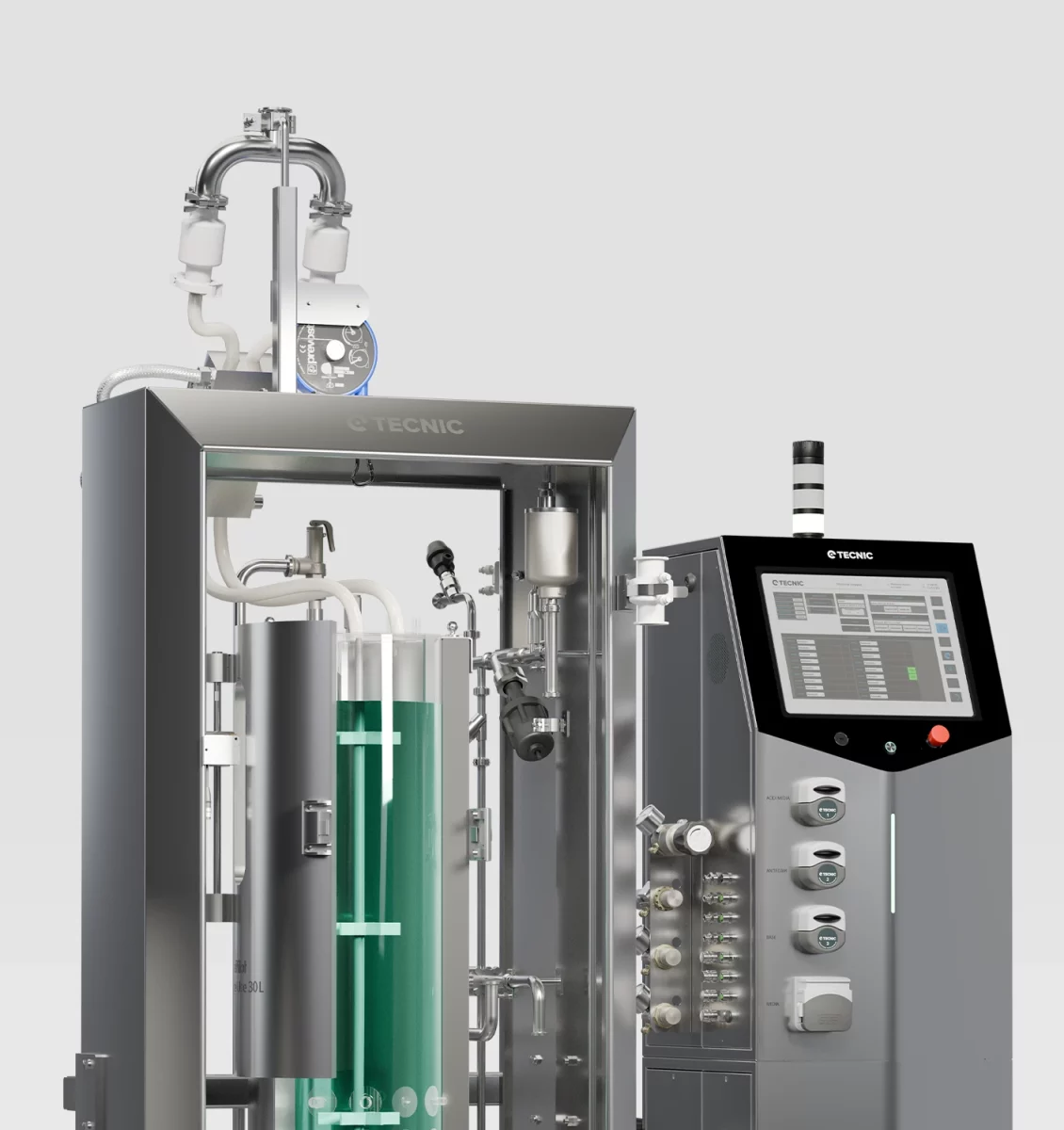
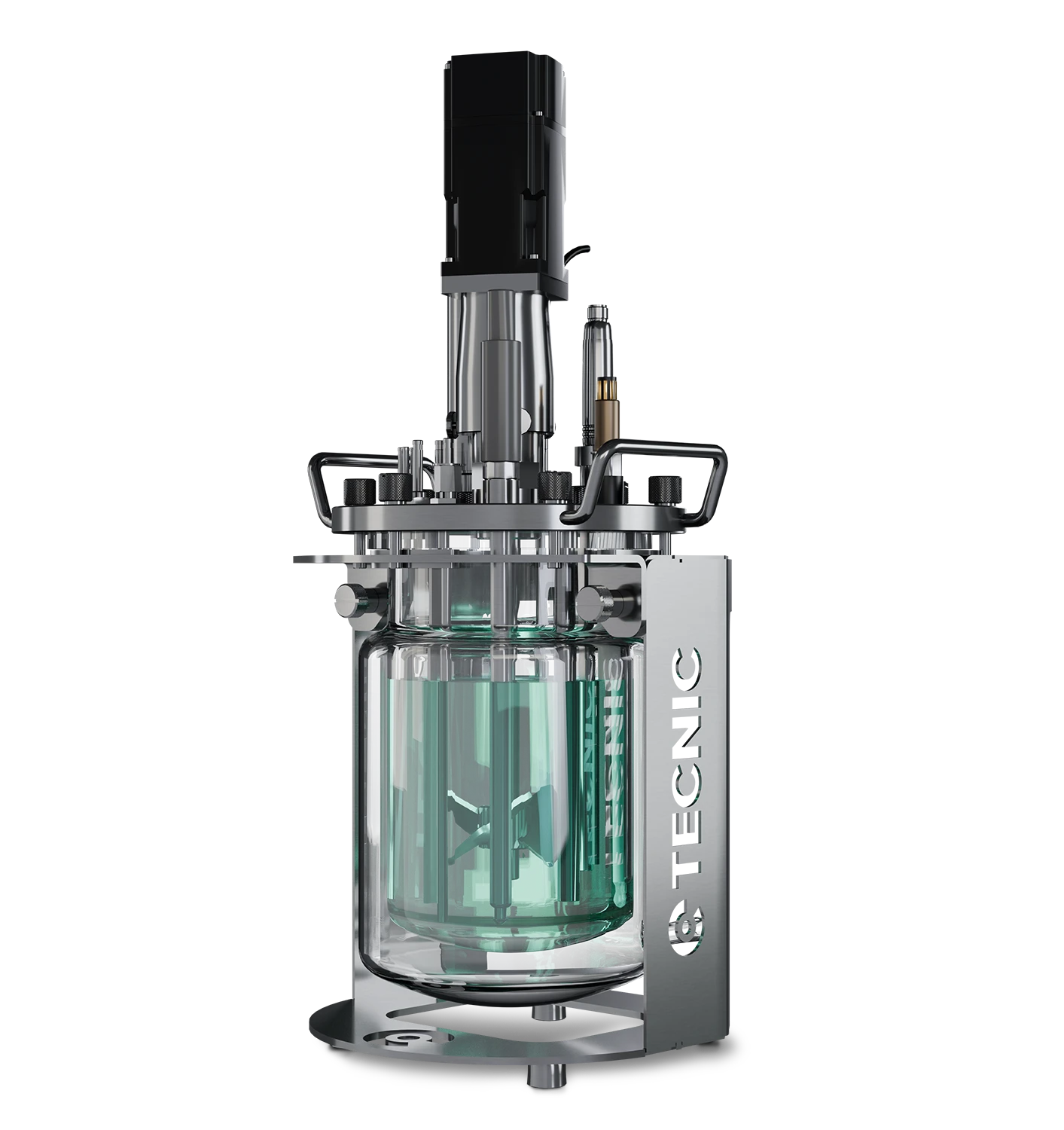
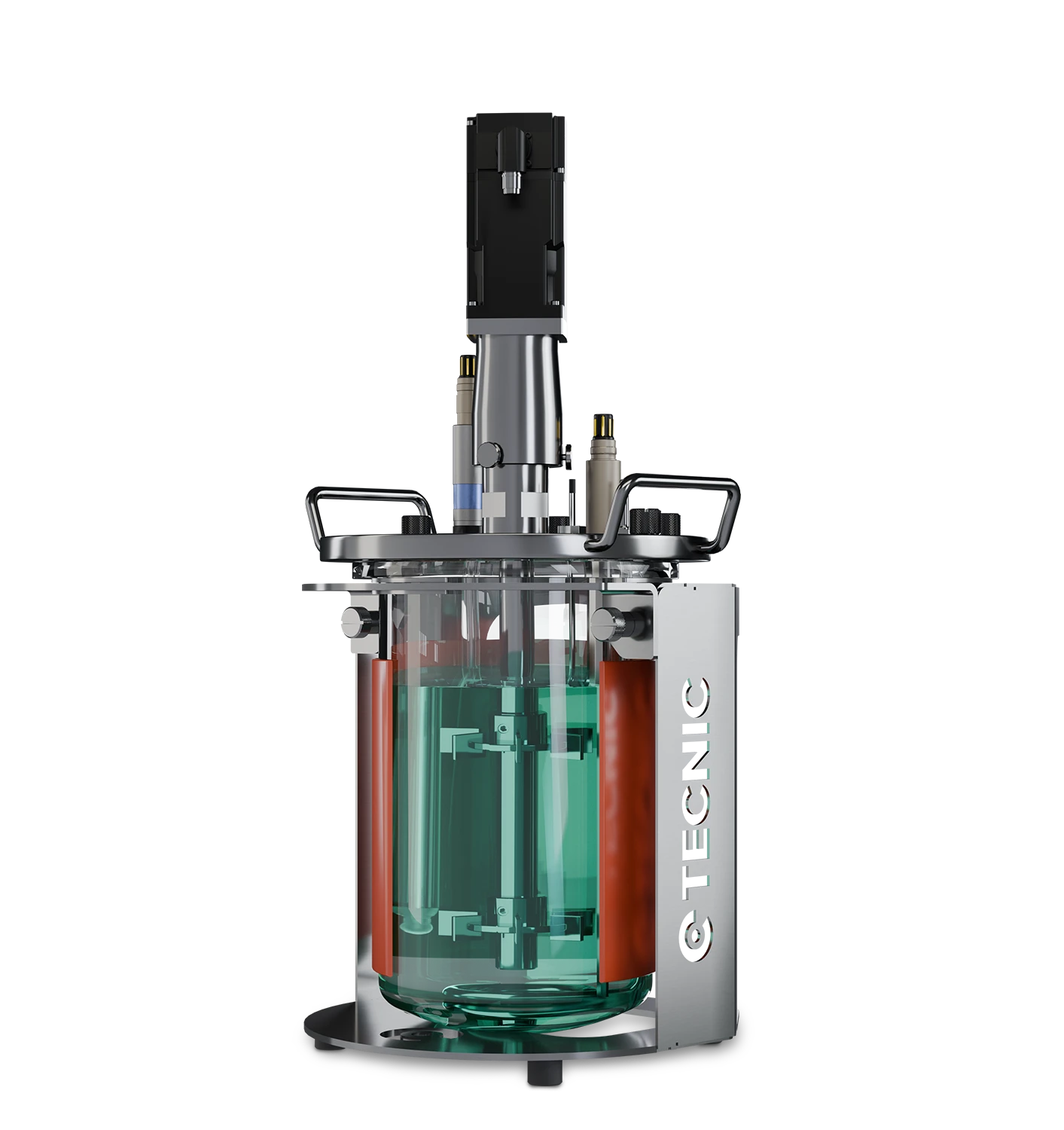
TECNIC fits naturally into this topic because genetic engineering does not stop at DNA modification. Once a modified cell or system has to be cultivated, scaled or integrated into a real bioprocess, controlled equipment and reliable process environments become essential.
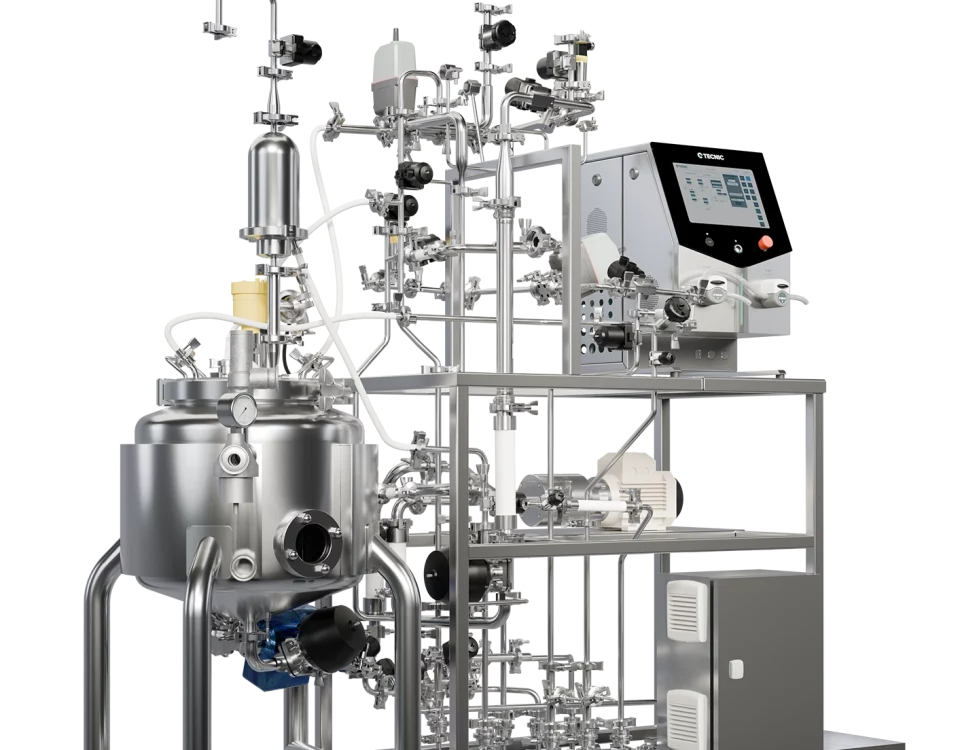
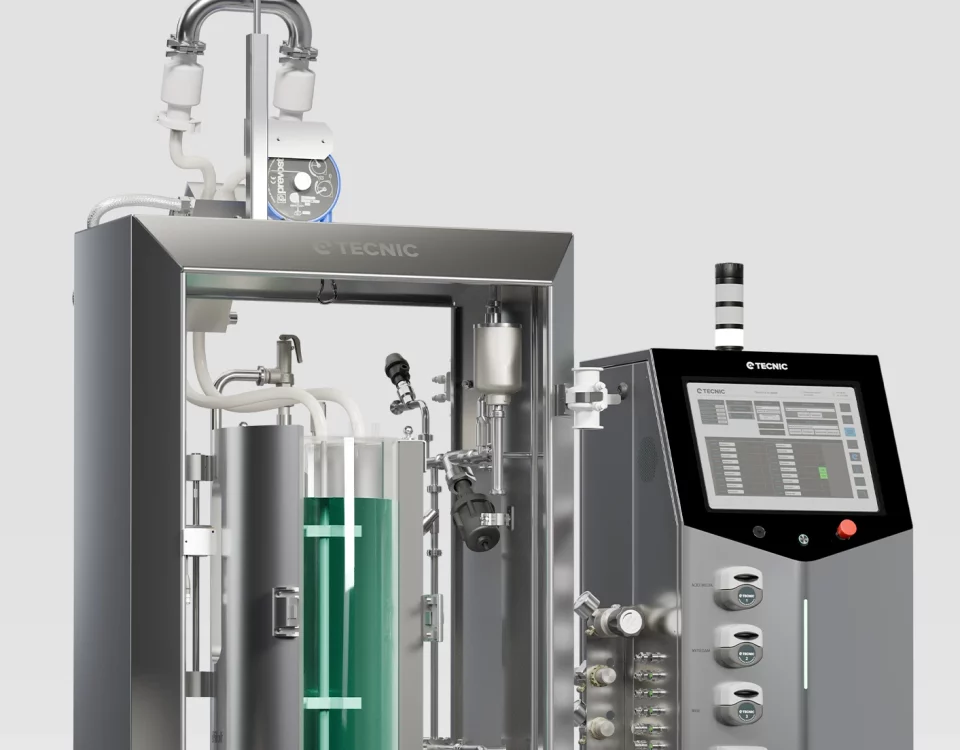
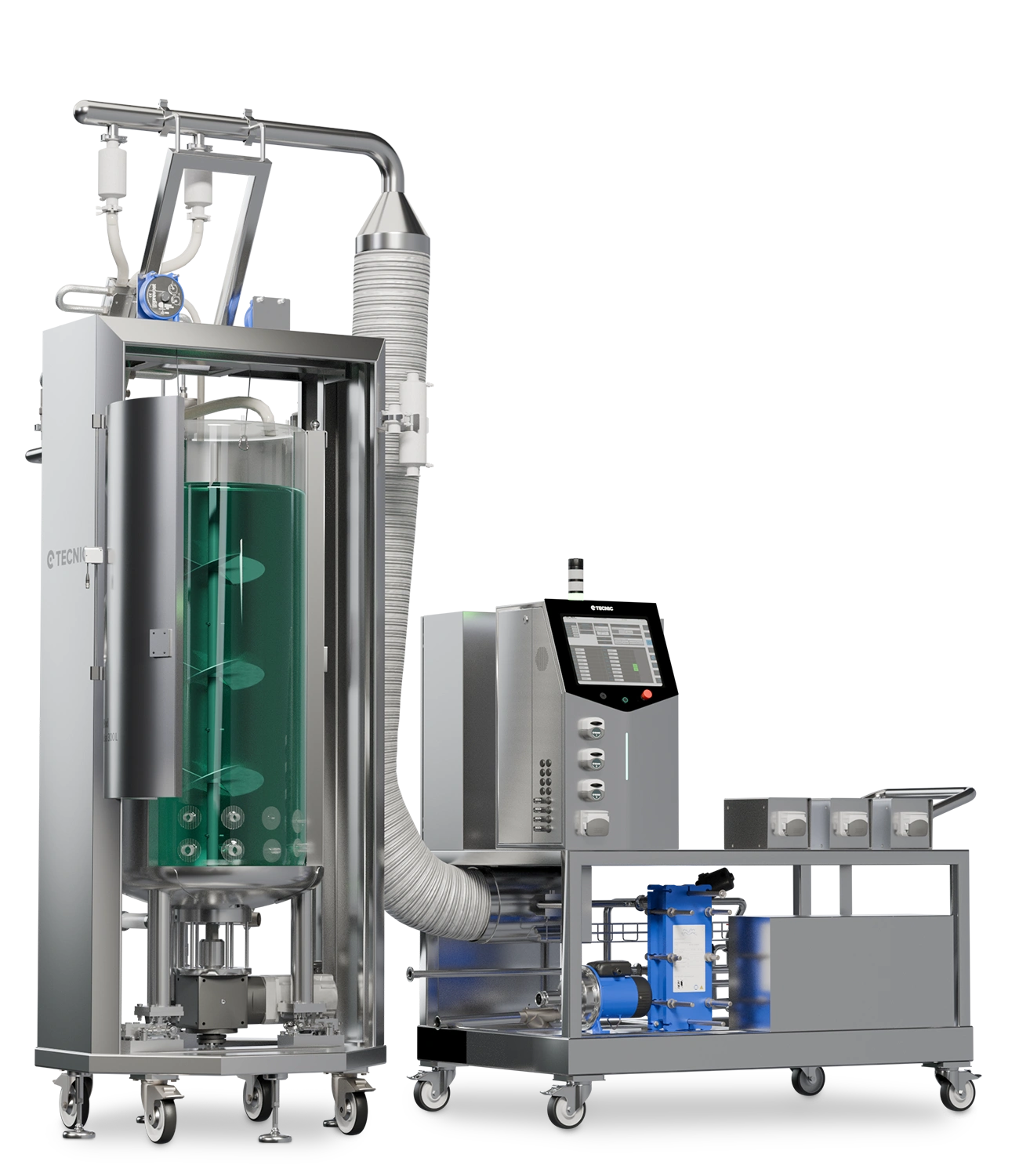
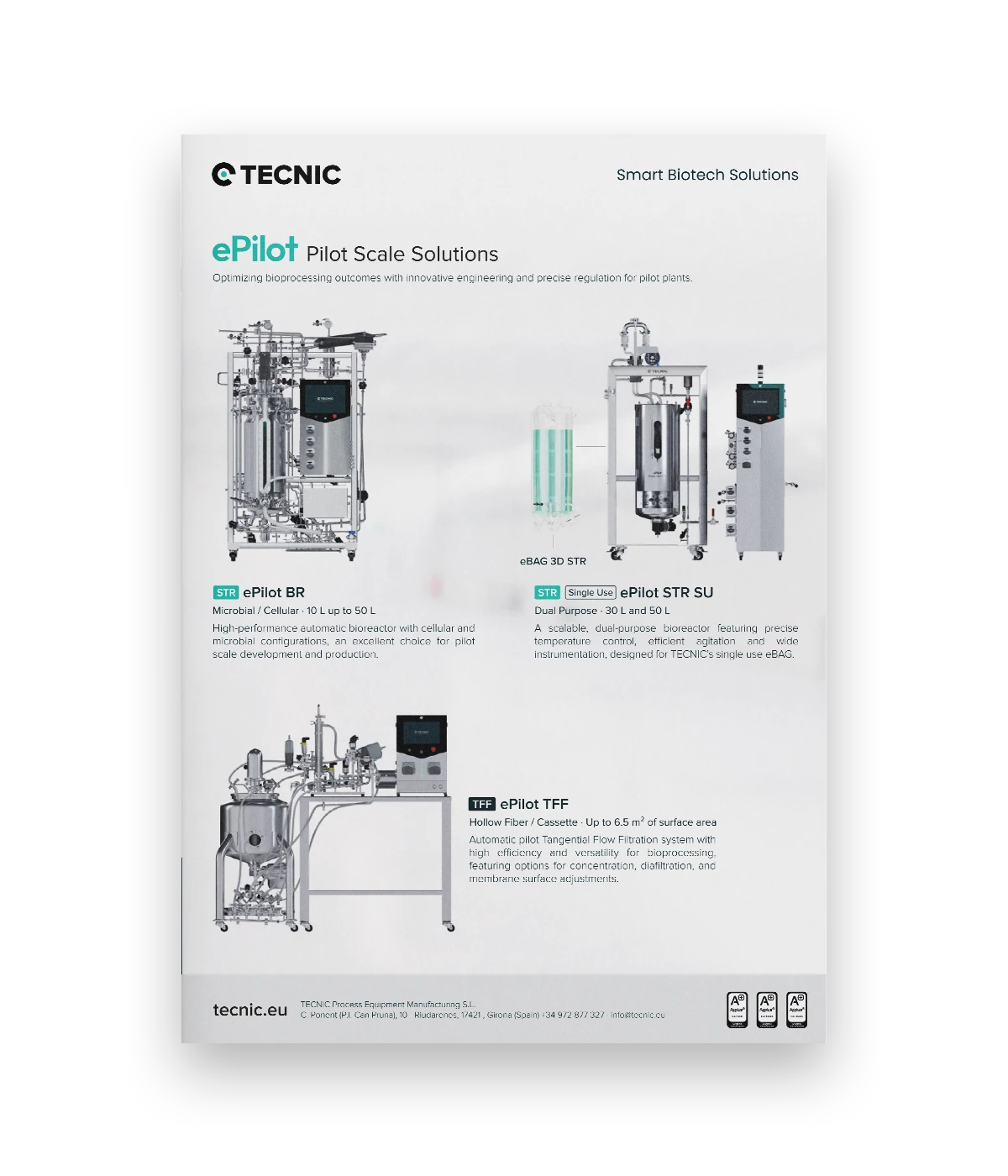
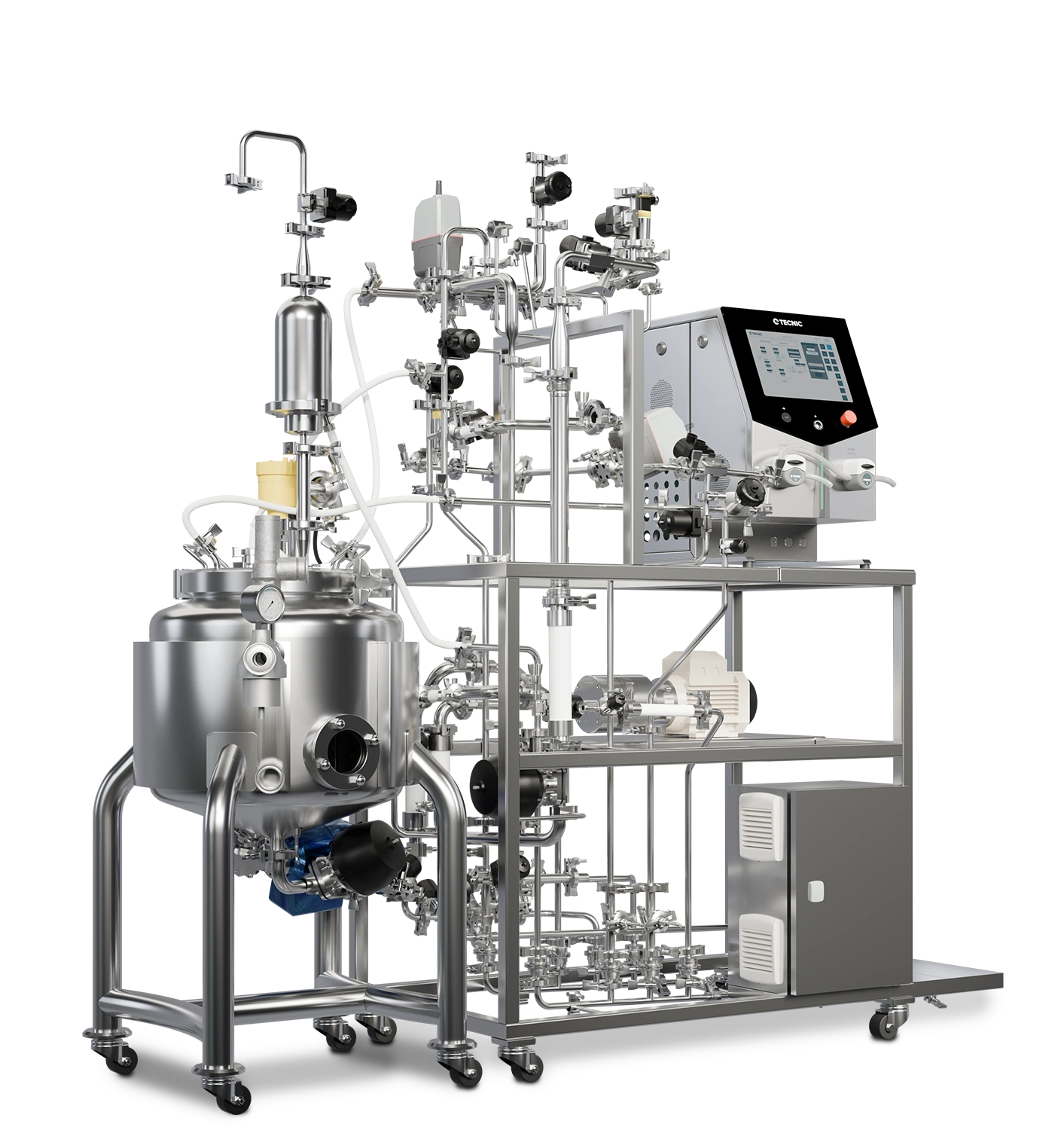
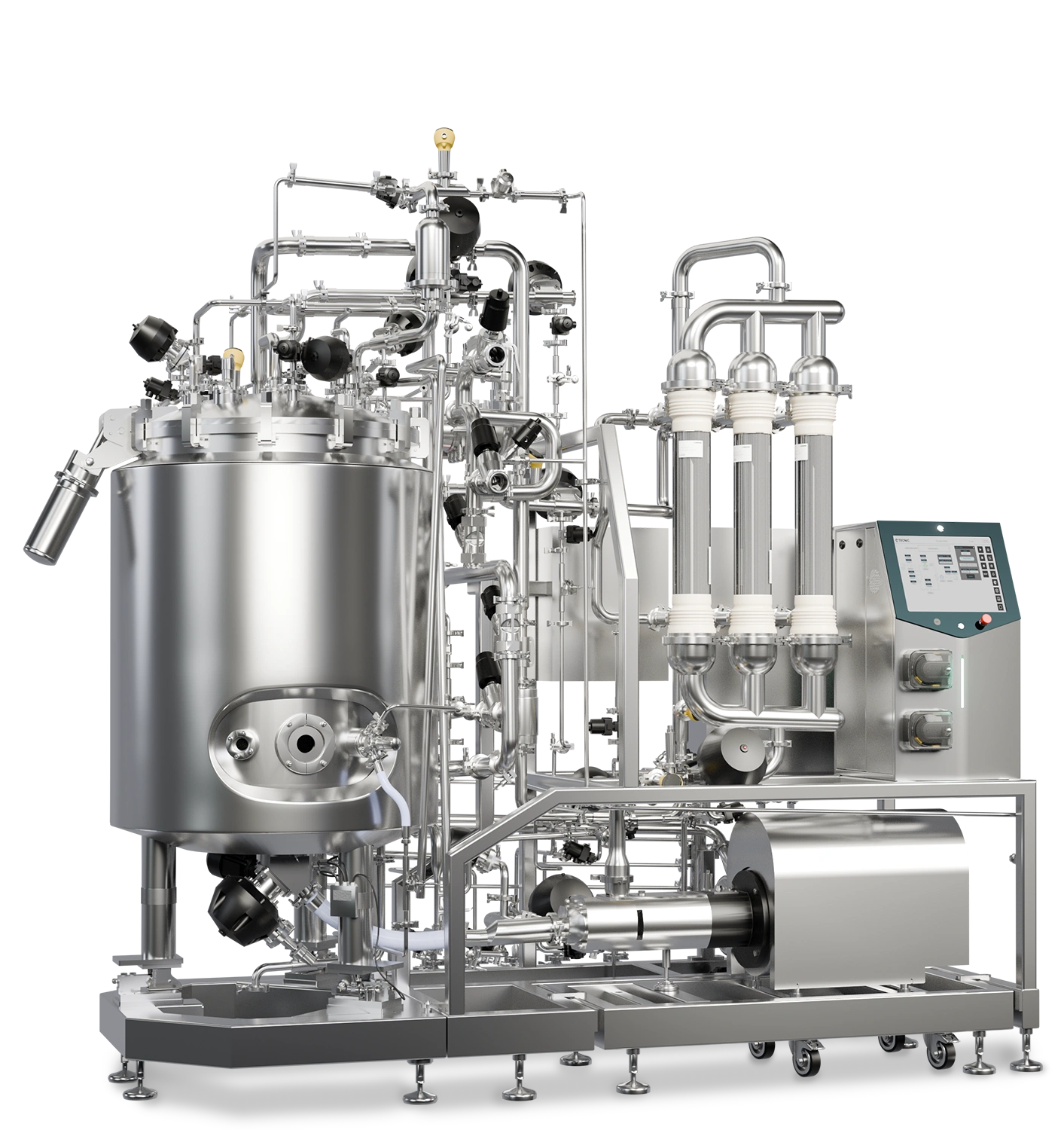
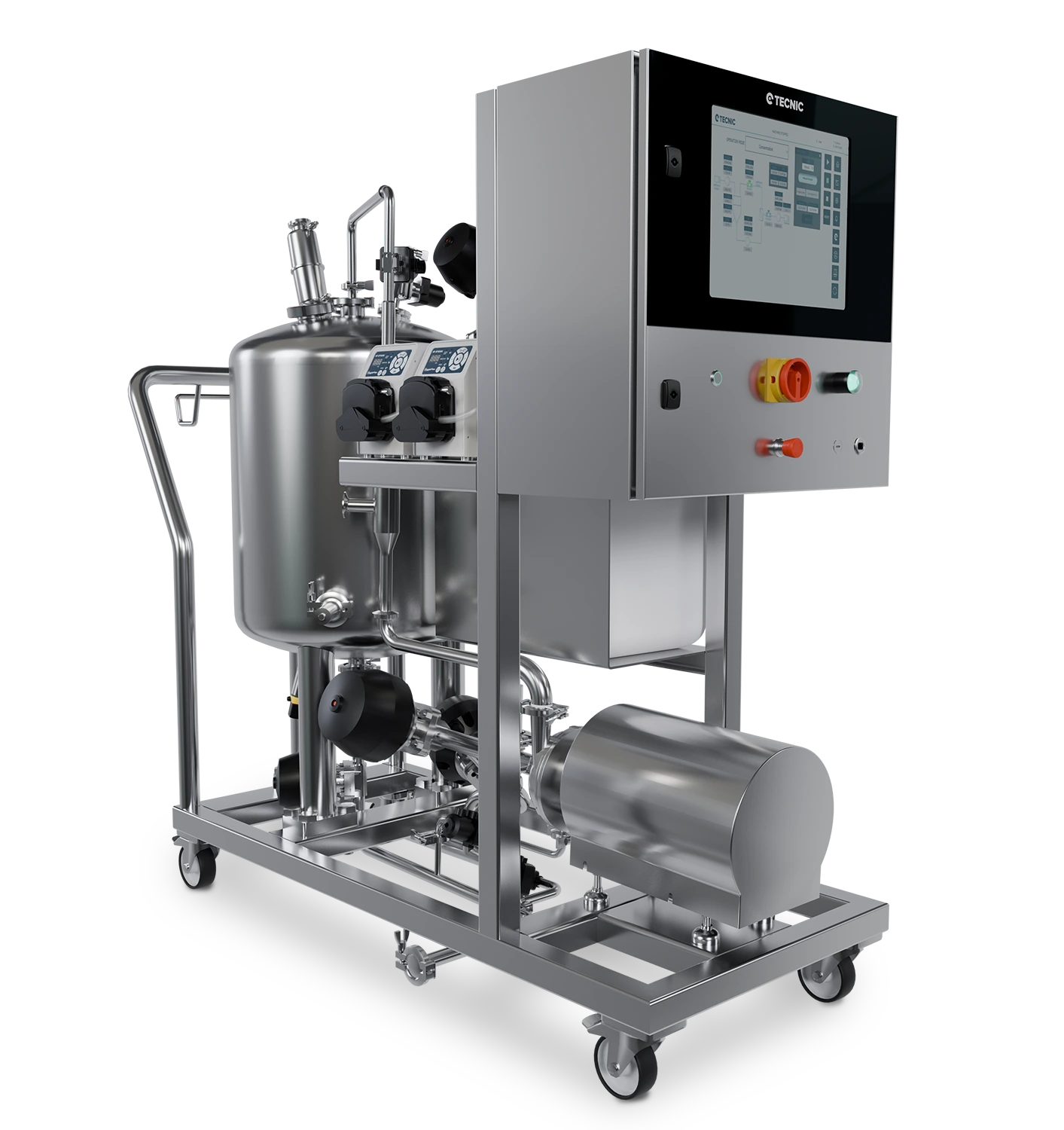
Bioreactors
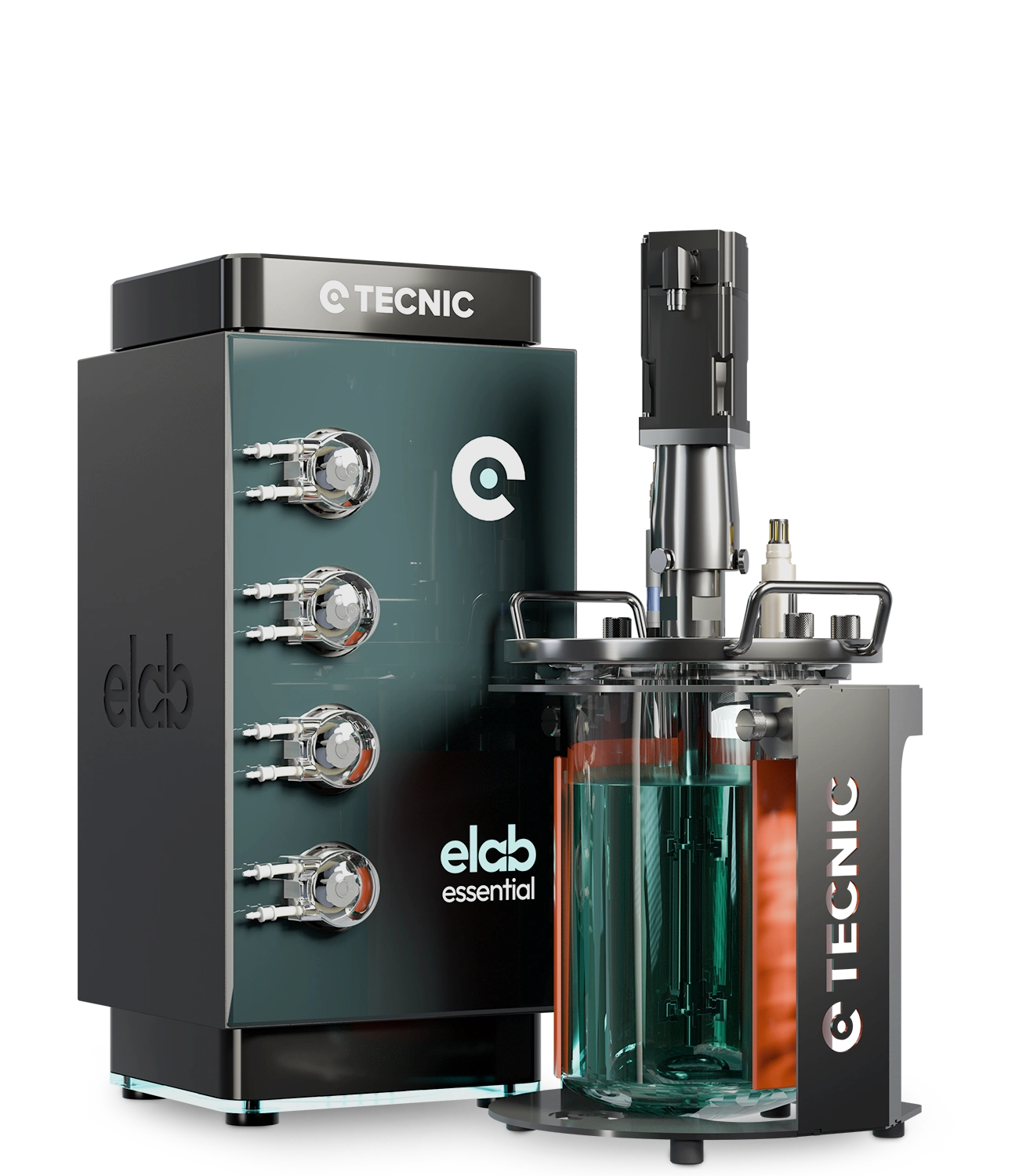
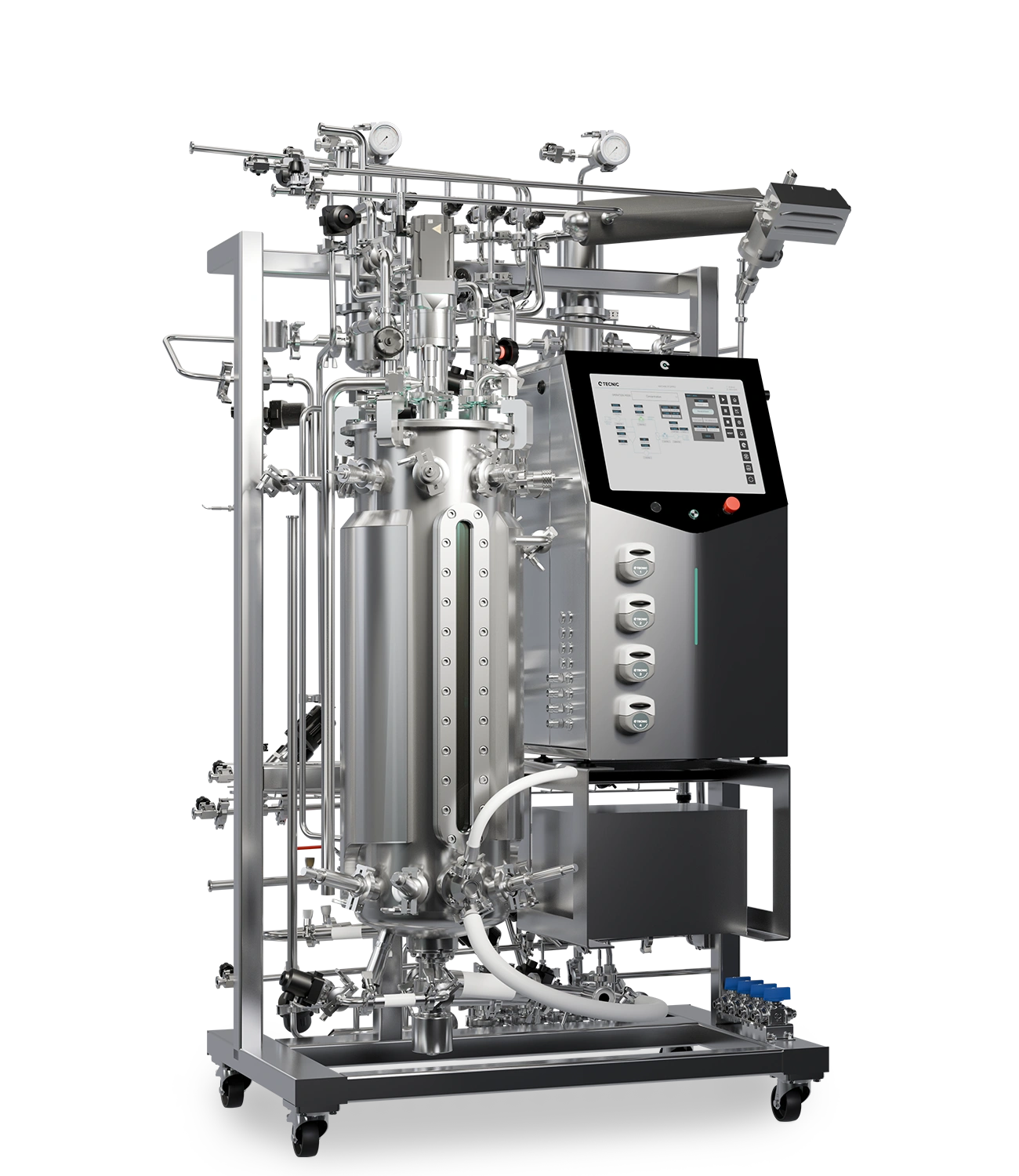
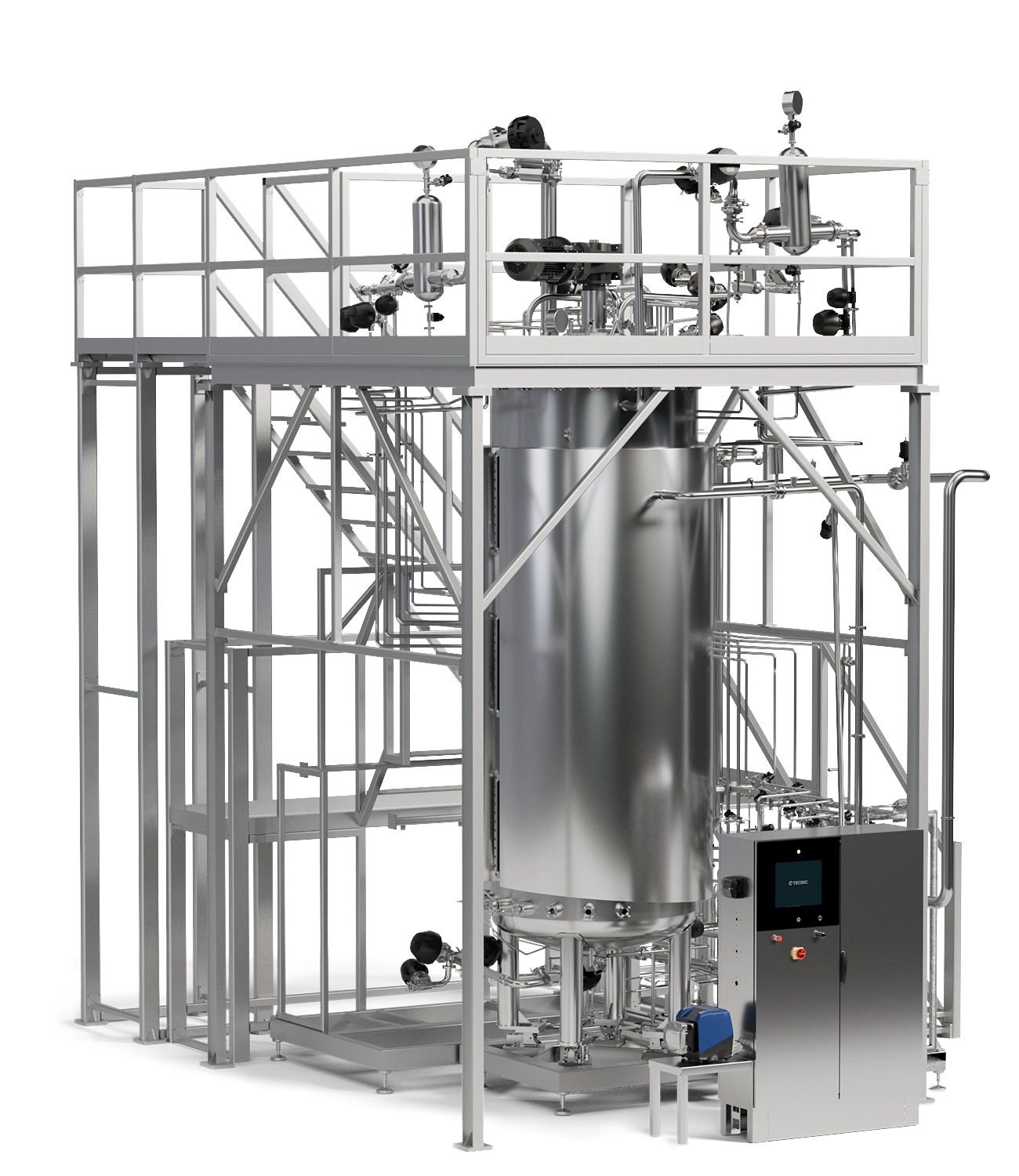
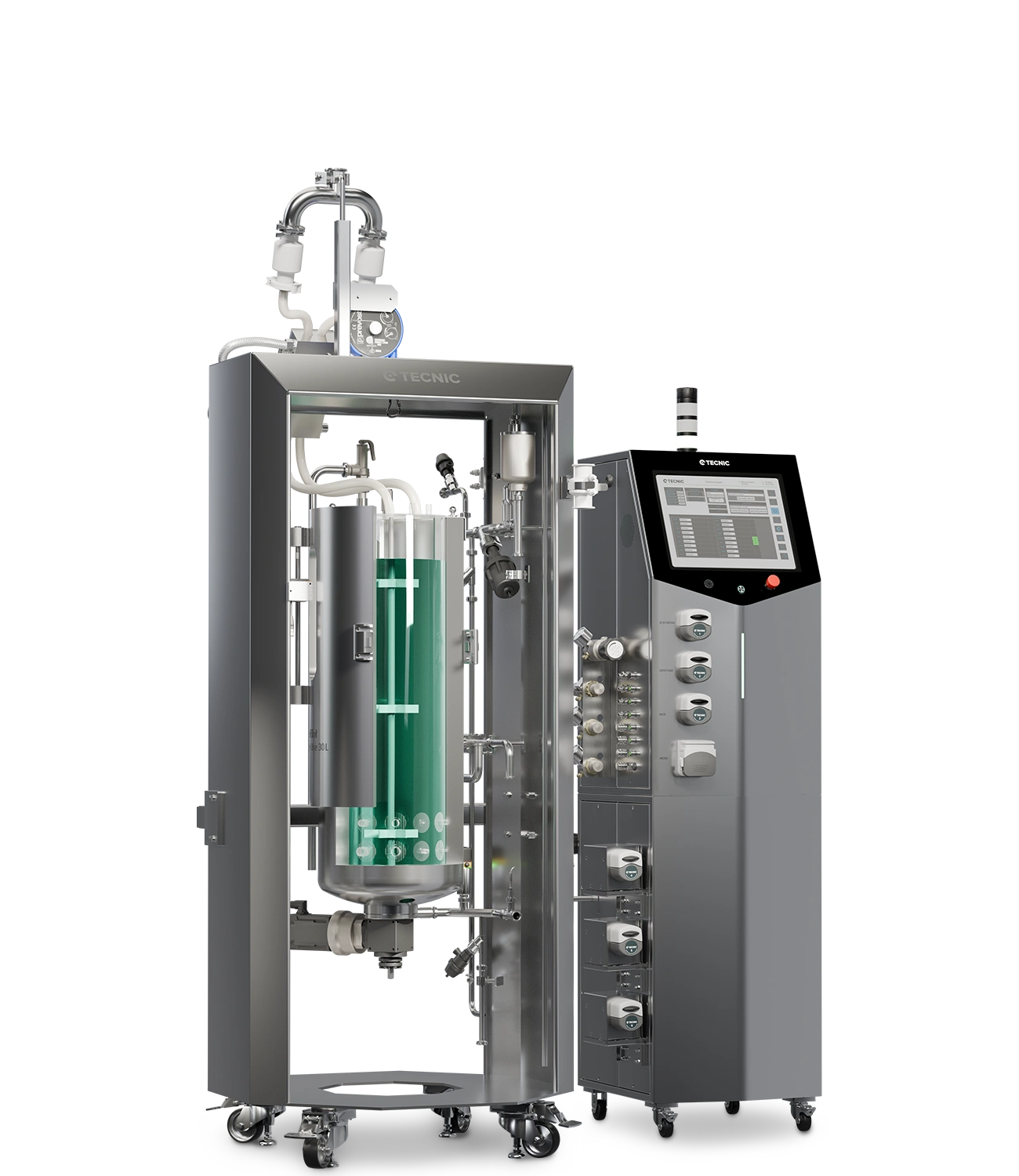
Relevant when engineered cells or microorganisms need controlled cultivation from lab to production scale.
Cell and gene therapy context
Genetic engineering connects directly with the broader advanced therapy landscape already present in TECNIC content.
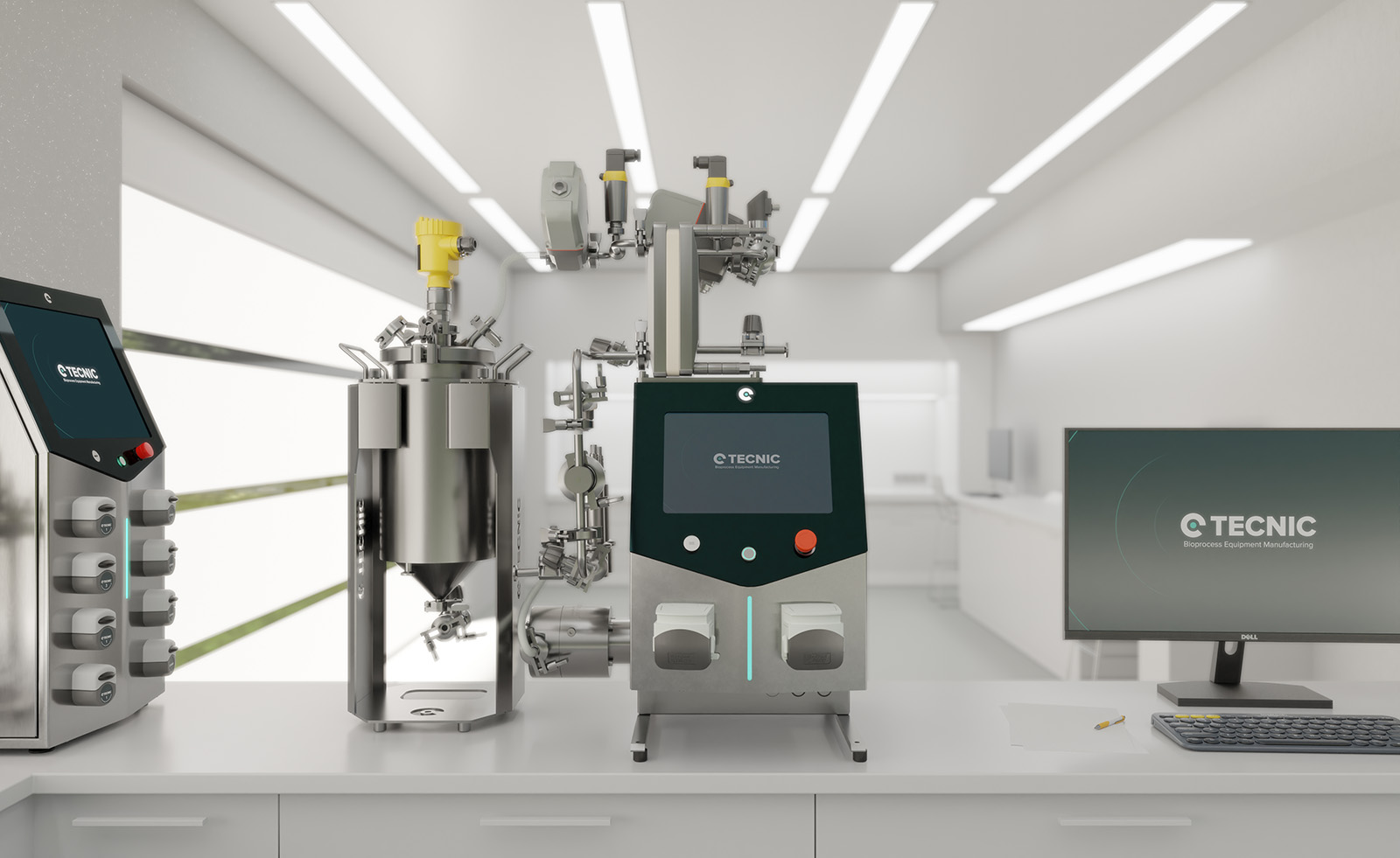
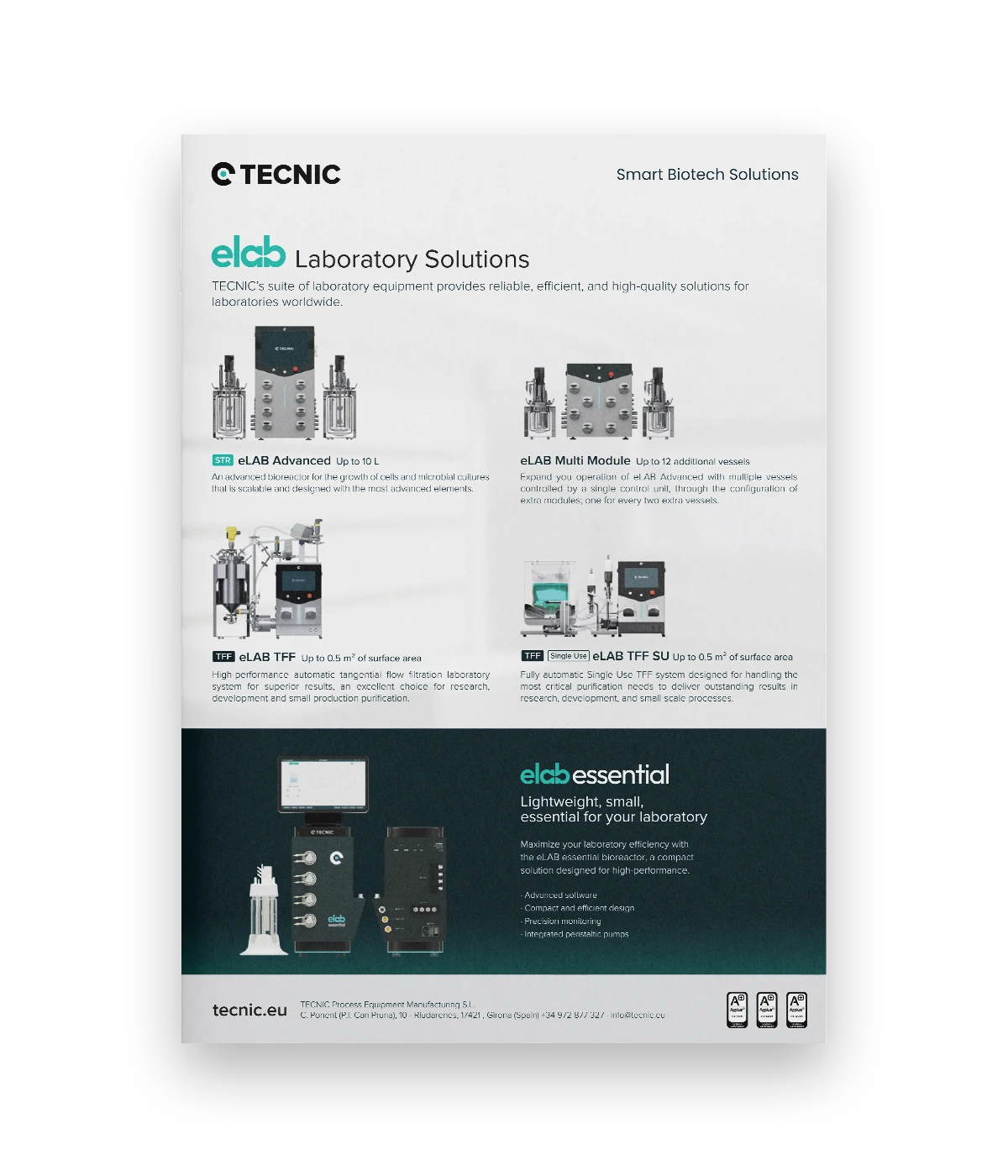
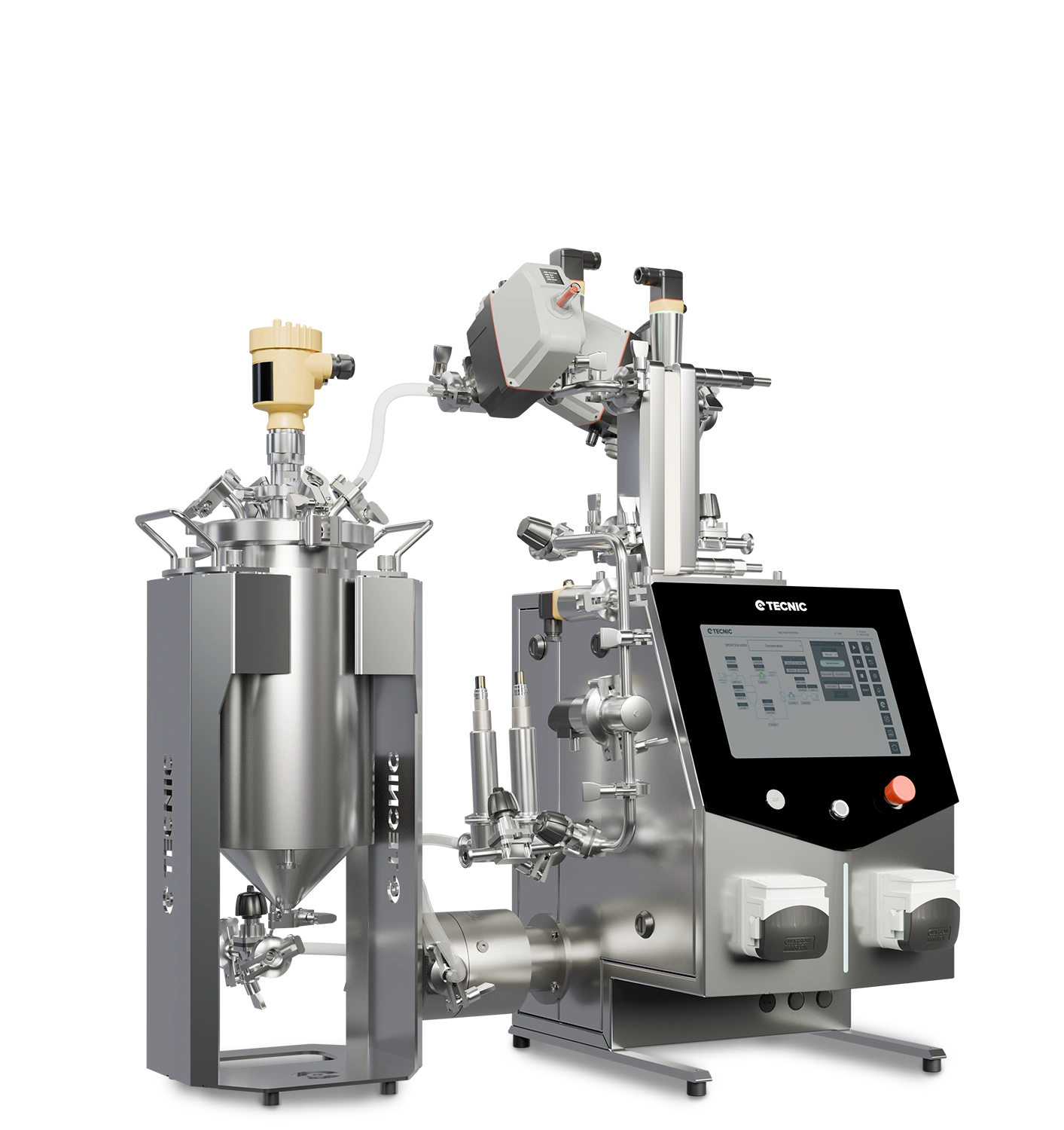
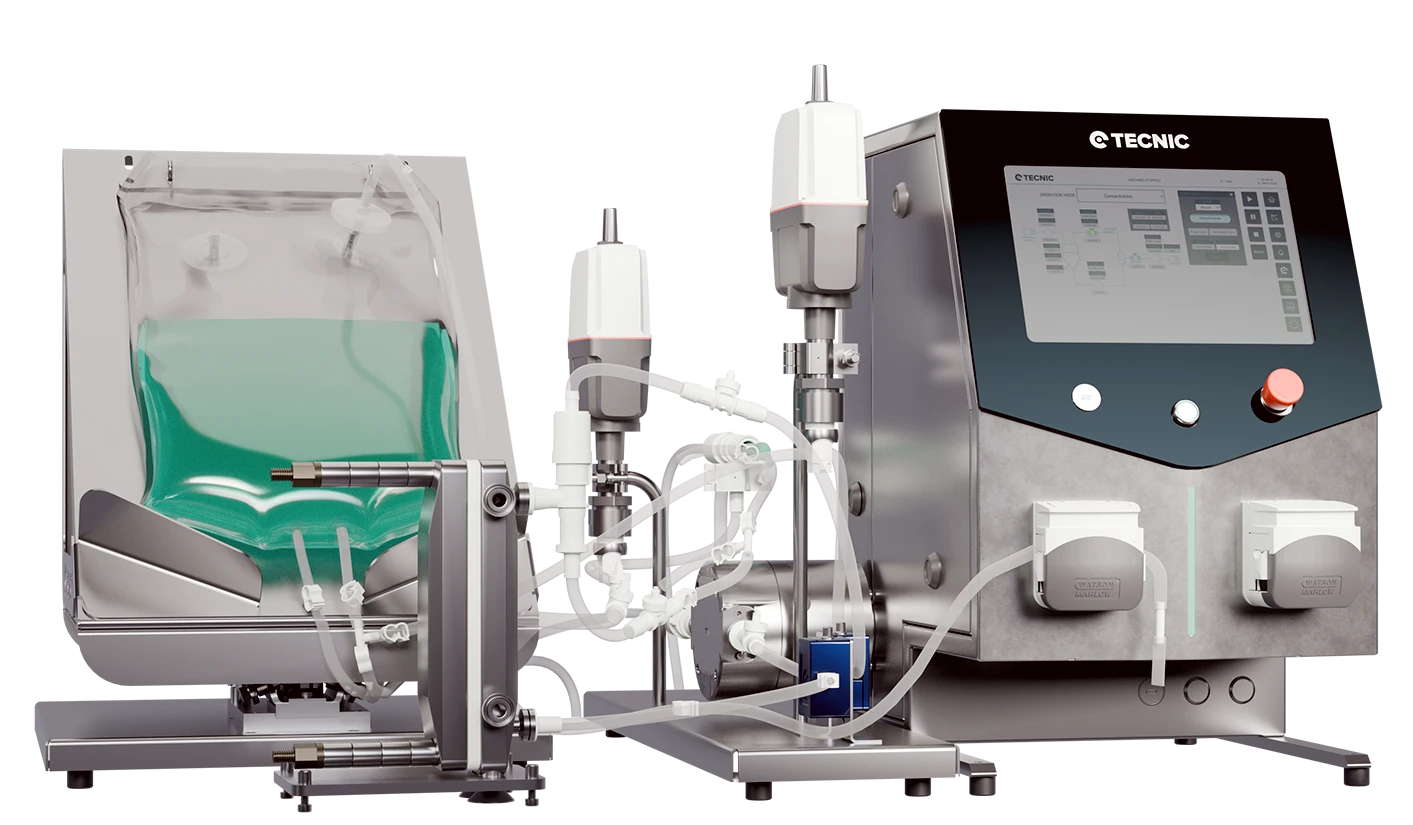
Laboratory equipment
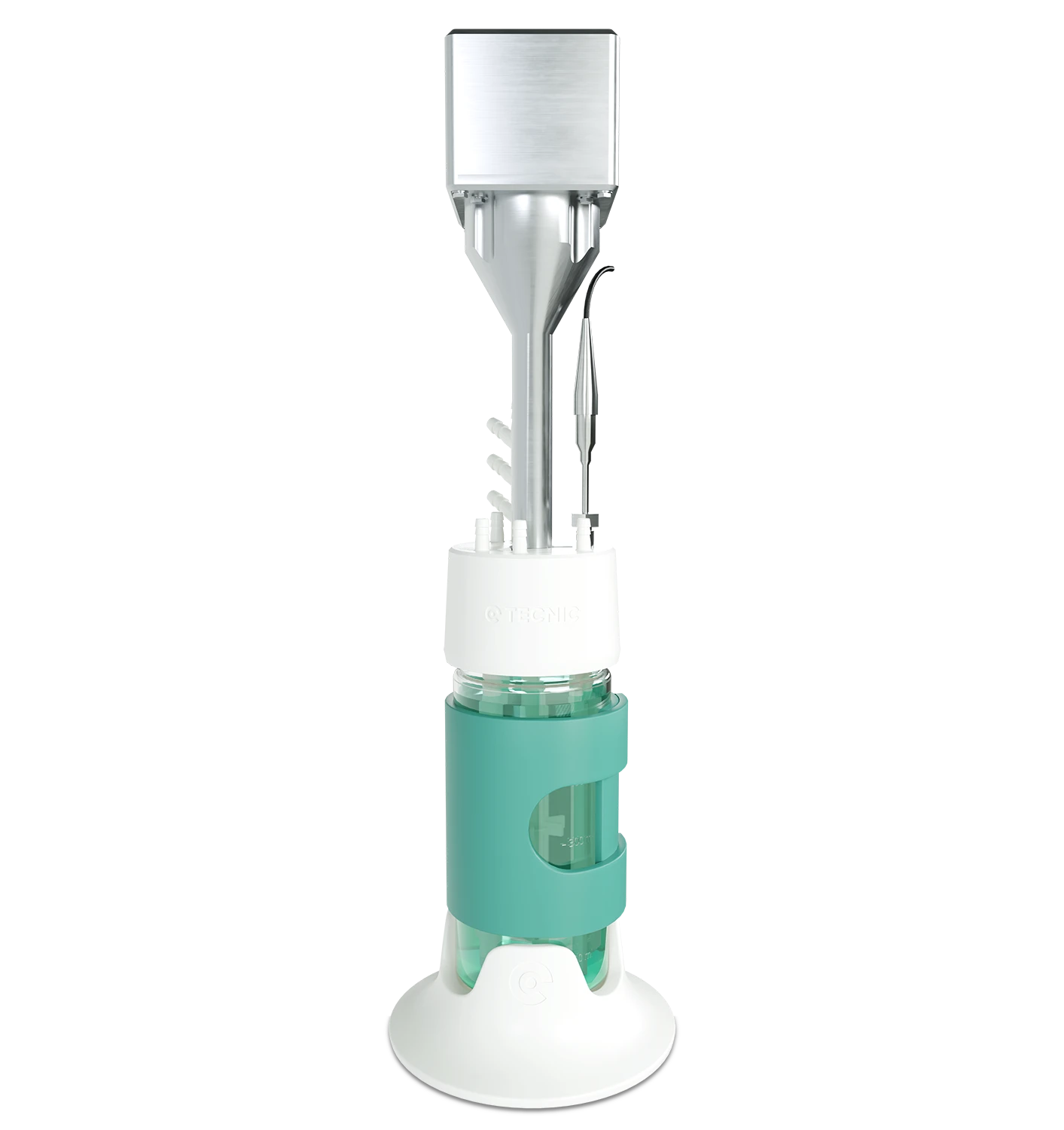
Useful for early-stage development where engineered biological systems need stable and reproducible process conditions.
Contact TECNIC
When genetic engineering moves from concept to process, technical discussion becomes much more useful than a general overview.
This article works best when genetic engineering is presented not only as a scientific concept, but as the starting point of real biotechnology workflows.
Frequently asked questions
What is genetic engineering?
It is the set of techniques used to modify the DNA of a living organism in a precise and intentional way.
Why is genetic engineering important?
Because it allows biotechnology to improve biological systems more directly in medicine, agriculture, industry and research.
What is genetic engineering used for?
It is used in medicine, agriculture, industrial biotechnology and scientific research to create useful biological outcomes.
Is CRISPR the same as genetic engineering?
No. CRISPR is one of the tools used within genetic engineering, not the whole field itself.
What is the biggest challenge in genetic engineering?
One major challenge is turning precise DNA modification into safe, controlled, scalable and responsibly used real-world applications.
Exploring how engineered biology connects with scalable bioprocessing?
Explore TECNIC’s bioprocess solutions or speak with our team to review the right setup for advanced biotechnology workflows.